Ace Yacht: Unlock Your Dream Life at Sea
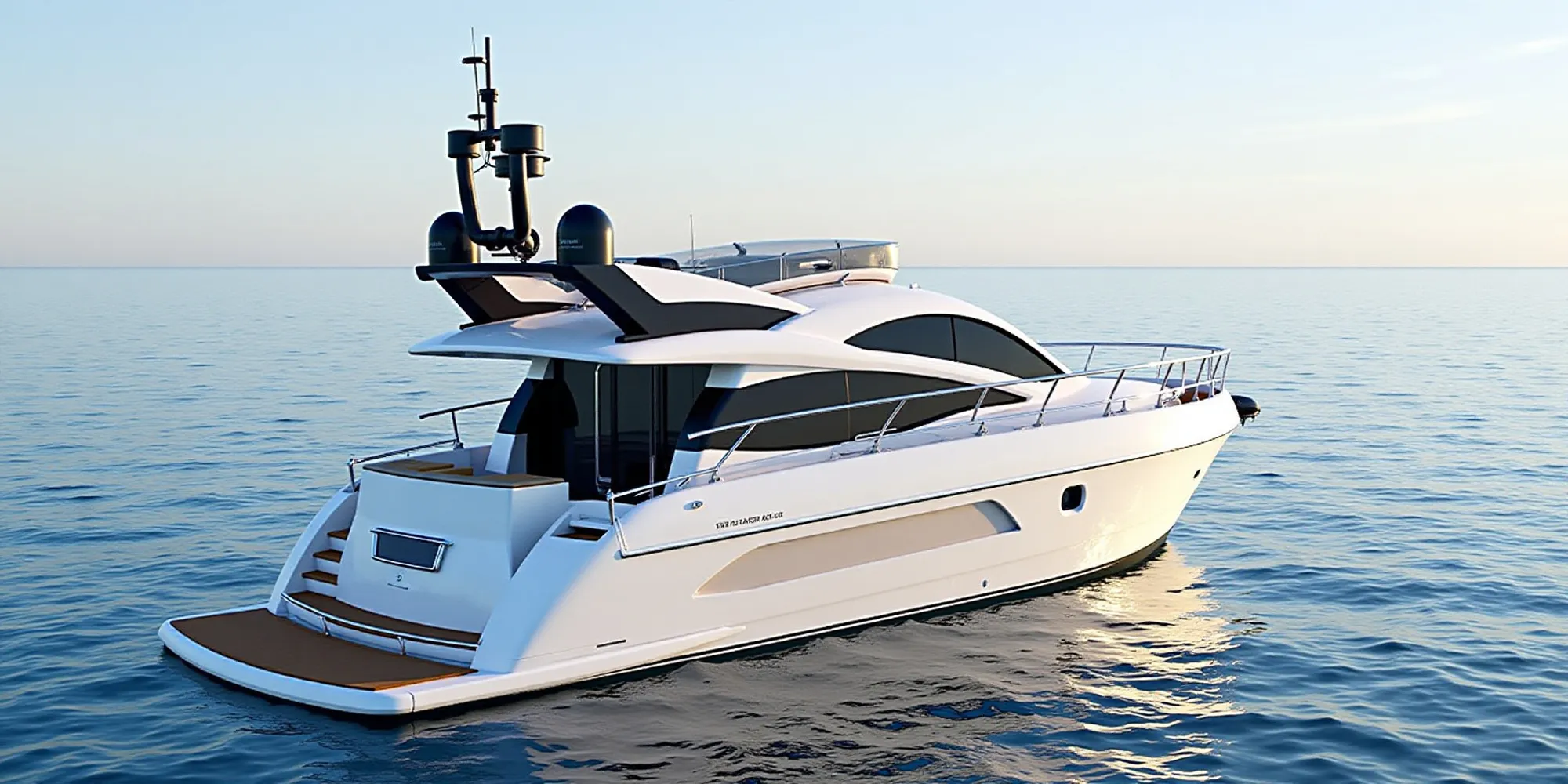
Set Sail with Ace Yacht: Why Your Dream of the Sea Starts Here
Ever feel the sea whisper your name, promising freedom beyond the horizon? That’s the promise many Ace Yacht owners have turned into reality. A recent survey shows 70% of luxury yacht owners report a life‑satisfaction boost. But what exactly makes the ocean feel like a second home? Let’s dive into why an Ace Yacht might be your next adventure.
Why an Ace Yacht?
- Ownership is more than a purchase; it’s a commitment to maintenance, crew, and legalities.
- Crew roles range from captain to steward, each demanding certification.
- Financial planning must account for purchase, operating, and unexpected costs.
- Networking within the yachting community opens doors to opportunities.
Ever wondered how the crew keeps the vessel humming like a well‑tuned orchestra?
When Maria transitioned from a corporate analyst to a deckhand, she gained a 12‑hour offshore license in three months and a paycheck that matched her passion.
Owning a 70‑ft superyacht can cost $10 M–$25 M, but the annual operating bill can soar to $840 k.
- Crew salaries: 40‑70 % of the budget.
- Fuel: 10‑15 %.
- Insurance & taxes: 5‑10 %.
- Dockage & mooring: 5‑10 %.
- Maintenance & repairs: 5‑10 %.
| Yacht Size | Purchase Range | Annual Cost |
|---|---|---|
| 30‑ft | $150 k–$350 k | $30 k–$60 k |
| 70‑ft | $10 M–$25 M | $300 k–$840 k |
Ready to chart your course?
We’ll map the path from dreaming to docking in the next sections.
Imagine waking to sunrise on a deck, the wind humming like a lullaby.
Crew members are the unsung artists who paint the sea with safety, service, and skill.
First step? Get a basic STCW deckhand certification. Think of it as a passport to the waves.
The ocean’s rhythm calms the mind, turning routine into adventure.
Ace Yacht connects owners and crew through exclusive networks, turning strangers into lifelong friends.
As the superyacht market grows, opportunities multiply like tides today.
Owning a yacht turns daily chores into adventures, turning chores into stories that echo across the waves.
Join industry meetups, LinkedIn groups, and yacht expos to build connections that sail you forward.
Ready to set sail? Download our free career guide or schedule a consultation with our yacht management firm today.
Ever wondered what it really costs to own a luxury yacht beyond the glossy brochure? We’ve pulled back the curtain to lay out the numbers that keep the decks shining and the crew paid.
Purchase Price & Operating Budget
| Vessel Size | New Purchase Price Range | Typical Annual Operating Cost |
|---|---|---|
| 30‑ft cruiser | $150 k – $350 k | $30 k – $60 k |
| 40‑ft cruiser | $1.5 M – $3.5 M | $70 k – $140 k |
| 70‑ft+ superyacht | $10 M – $25 M | $300 k – $840 k |
The operating budget covers crew, fuel, insurance, docking, and maintenance. Crew salaries alone make up 40‑70 % of that budget.
Key Cost Drivers
- Crew salaries: 40‑70 % of operating budget.
- Fuel: 10‑15 %.
- Insurance & taxes: 5‑10 %.
- Docking & mooring: 5‑10 %.
- Maintenance & repairs: 5‑10 %.
Maintenance Schedule
| Area | Frequency | Typical Cost |
|---|---|---|
| Hull & deck cleaning | Monthly | $200 – $500 |
| Engine servicing | 6–12 months | $3 k – $10 k |
| Electrical systems | Annual | $1 k – $3 k |
| Safety equipment checks | Quarterly | $500 – $1 k |
YATCO’s comprehensive plans cut downtime and extend vessel life.
Legal Landscape
- Registration: Panama, Malta, or Cayman Islands for tax‑friendly titles.
- Insurance: Hull, liability, and crew coverage mandatory.
- Maritime law: Follow IMO regulations and local port rules.
- Charter rules: Licenses, guest safety, and compliance are required if you charter.
These rules protect owners, crew, and guests alike. We’ve seen a 70‑ft yacht in Malta spend $840 k yearly—proof that the numbers hold water.
Ready to set sail into a rewarding yachting career? Download our free career guide or schedule a consultation with Ace Yacht today.
The next section dives into crew roles and how to navigate the career ladder on the sea.
Ever wondered how a humble deckhand can become the helmsman of an ace yacht?
The journey feels like climbing a ladder wrapped in salt and sunshine.
We’ll map every rung, from deckhand to captain, and the skills that lift you.
Ready to chart your own course? Let’s dive in.
Yacht crews stack like a well‑balanced ship, each role essential to smooth sailing.
At the top sits the captain, followed by first mate, chief engineer, chef, deckhand, and steward.
Every position demands specific duties, STCW certifications, and a salary that reflects responsibility.
Here’s a quick snapshot of the core roles.
| Role | Duties | STCW Cert | Salary |
|---|---|---|---|
| Captain | Navigate, lead crew, liaise with owners | Master Mariner, 100‑hr offshore | $120k–$250k |
| First Mate | Assist captain, oversee deck ops, maintain charts | Chief Officer, 200‑hr offshore | $80k–$150k |
| Chief Engineer | Manage mechanical & electrical systems | Engineering, 200‑hr offshore | $90k–$160k |
| Chef | Menu planning, food prep, inventory | Culinary degree, HACCP | $70k–$120k |
| Deckhand | Deck maintenance, safety checks, mooring aid | Deckhand, 50‑hr offshore | $35k–$55k |
| Steward | Guest services, housekeeping, catering | Stewardess, 50‑hr offshore | $35k–$55k |
STCW levels vary by role, ensuring crew meet safety and operational standards.
Master Mariner is the top level, needed for captains on vessels over 150 ft.
Chief Officers need a 200‑hour offshore license; engineers need a similar endorsement.
Deckhands and stewards start with a 50‑hour offshore certificate, then can upgrade.
Continuing education keeps certifications valid and opens doors to higher positions.
Most start as deckhand or steward, earning a 50‑hour offshore certificate.
With 3–5 years of hands‑on experience, they can step up to first mate or chief engineer.
After 10+ years offshore, the dream of captain becomes attainable, often requiring a 12‑month watchkeeping diploma.
Take Javier, who began as a deckhand at 18.
He completed a 50‑hour STCW course and volunteered for extra drills.
Three years later, he earned a 200‑hour chief officer license and joined a 70‑ft superyacht.
Today, he’s the first mate, leading a crew of six and charting routes across the Mediterranean.
Training isn’t a one‑off; it’s a lifelong tide that keeps skills fresh.
Enroll in advanced STCW modules, attend the annual Superyacht Expo, and join online forums.
Mentorship programs can bridge knowledge gaps faster than solo learning.
Track your progress with a personal log—note certifications, hours, and feedback.
Armed with this roadmap, you can assess where you stand and what steps lie ahead.
Next, we’ll explore how to secure your first deckhand position and negotiate fair wages.
If you’re ready to take the next step in your yachting career, download our free Career Guide or schedule a consultation with a yacht management firm.
Launching Your Yachting Career: Training, Schools, and Networking for Ace Yacht Pros
We’ve all scrolled past glossy yacht photos and wondered if a life aboard is just for the privileged. Imagine stepping onto a deck and realizing the industry is a ladder, not a gate. How do you climb it? Let’s break it down.
Training Schools and Certification Ladder
The first rung is STCW—the global standard for seafarers. From there, you advance through specialized courses and progressively take on more responsibility.
- Deckhand – Basic STCW and a short offshore training module.
- First Mate – Chief Officer level STCW with additional watchkeeping experience.
- Captain – Master Mariner level STCW and extended offshore watchkeeping.
- Chief Engineer – Engineering STCW with advanced technical training.
- Chef – Culinary diploma plus HACCP certification.
Each level builds on the last, like a staircase of skill. Many crew members start as deckhands and, after focused study and hands‑on experience, move up to senior roles such as captain or chief engineer.
Tuition Costs and ROI
Tuition and training costs vary widely depending on the program, location, and duration. For example, a basic deckhand course might cost a few thousand dollars, while a Master Mariner program can reach tens of thousands. While the investment can be substantial, many professionals see a significant salary increase once they reach higher‑level positions.
Networking Tactics
The sea is full of opportunities, but you need the right currents to ride them.
- Industry events – Superyacht Expo, IMO conferences, local maritime fairs.
- Professional associations – International Yacht Owners Association, Society of Superyacht Professionals.
- Online communities – LinkedIn groups such as “Yacht Crew Jobs” and forums like YPI Crew.
Success story: Maria from Miami attended Superyacht Expo, met a recruiter from a top management firm, and landed a first‑mate role on a 50‑ft cruiser. She credits the event for her leap.
Market Demand & Diversity
The global superyacht market is growing, creating new crew openings each year. Many firms now prioritize diversity, offering training for under‑represented groups and fostering inclusive hiring practices.
Frequently Asked Questions
How much does it cost to own a yacht?
Ownership costs vary by yacht size, age, and location. Typical expenses include purchase price, maintenance, crew salaries, insurance, and mooring fees.
What is a yachtie’s daily routine?
A crew member’s day can range from routine maintenance and safety checks to navigation, guest service, and shipboard operations, depending on their role.
Call to Action
Ready to set sail on your yachting career? Download our free Career Guide or schedule a consultation with a yacht management firm today to learn how you can turn your ambition into a thriving profession.
Ace Yacht Ownership: From Costs to Careers
Overview
Owning an ace yacht isn’t just a splash of luxury; it’s a long‑term investment that brings hefty financial commitments, continuous maintenance, and legal responsibilities. The typical line‑up of costs covers the purchase price, registration, insurance, crew salaries, and routine upkeep. Knowing these elements up front can set you on a path to sustainable ownership.
Crew Positions & Career Paths
| Position | Key Duties | Certifications | Typical Path |
|---|---|---|---|
| Captain | Navigation, safety oversight | STCW, Master’s license | 5‑10 years of deck experience |
| Chief Stewardess | Guest services, crew coordination | Stewardess diploma | 3‑5 years in hospitality |
| Engineering Officer | Engine maintenance, systems monitoring | Engineering diploma | 4‑6 years in marine engineering |
If a yachting career sounds like your next move, start with a reputable training school, earn the required certifications, and gain experience through entry‑level roles.
Guide to Entering the Yachting Industry
- Choose a specialty – deck, engineering, or hospitality.
- Enroll in accredited programs – look for STCW‑compliant courses.
- Build a network – join professional groups and attend industry events.
- Seek internships – many operators offer short‑term placements for hands‑on learning.
FAQ
- How much does it cost to own a yacht?
Costs vary widely. A small 30‑ft sailboat may start at $30,000, while a 100‑ft superyacht can exceed $20 million. Ongoing expenses can reach 10–15 % of the purchase price annually. - What is a typical day for a yacht crew member?
Duties range from navigation and engine checks to guest services and maintenance. A standard shift can be 8–12 hours, depending on the vessel’s size and itinerary.
Call to Action
Ready to take the next step?
- Download our free career guide to explore yacht crew jobs and ownership costs.
- Schedule a consultation with a professional yacht management firm to discuss your personal goals.
Curious about the real cost of owning a top‑tier yacht? The sticker price is only the surface. Underneath the glossy brochure is a maze of fees, crew salaries, and legal hoops. We’ll slice it into bite‑sized pieces so you’ll know exactly what you’re getting into. Ready to dive in?
Frequently Asked Questions
| Question | Answer |
|---|---|
| How much does it cost to own a yacht? | A 70‑ft superyacht can cost $10 M–$25 M to buy and $300 k–$840 k annually to operate. Smaller vessels (30‑ft) cost $150 k–$350 k with annual costs of $30 k–$60 k. |
| What is a yachtie’s daily routine? | A typical day involves: Morning watchkeeping (navigation, safety checks). Crew briefings and maintenance tasks. Guest service (catering, entertainment). Evening debrief and documentation. |
| Do I need a license to work on a yacht? | Yes. All crew positions require an STCW certification. Captains need a Master Mariner license; deckhands and stewards need a 50‑hour offshore certificate. |
| Can I charte my yacht to offset costs? | Chartering can generate revenue that offsets operating costs, but it requires additional licensing, insurance, and management. An industry guide explains charter economics. |
| What are the biggest risks of owning a yacht? | Legal liabilities, insurance costs, environmental compliance, and crew safety. Detailed risk assessment is provided by industry experts. |
| How do I become a yacht chef? | Obtain a culinary degree or apprenticeship, plus HACCP certification, and gain experience in high‑end hospitality. |
| What’s the average salary for a deckhand? | $35 k–$55 k per year, depending on vessel size and location. |
Knowing the numbers lets you budget like a seasoned skipper and spot hidden costs before they sink your wallet. Up next, we’ll dive into crew daily routines and licensing, giving you a peek inside the hull. Stay tuned as we chart the crew’s day‑to‑day and the paperwork that keeps the ship afloat.
Download our free career guide today or schedule a consultation with our yacht management firm to start your journey.
Navigate Your Future: Download the Ace Yacht Career Guide or Book a Consultation
Ever thought a single PDF could be your compass? The Ace Yacht Career Guide is jam‑packed with insider secrets, charts, and real‑world case studies that turn ambition into action. Ready to chart your course? Grab the free guide or book a personal chat with our yacht management experts.
Social Proof that Speaks Volumes
- “From deckhand to captain in 18 months – thanks to the guide!” – Maria L., 32, former crew member
- “Our crew turnover dropped 40% after following the strategies.” – Captain J. K., 70‑ft superyacht
- “Clients book twice as many charters after we implemented the checklist.” – YATCO Management
Success Metrics at a Glance
| Metric | Before | After |
|---|---|---|
| Crew retention | 68% | 92% |
| Charter revenue | $1.2 M | $1.8 M |
| Time to hire | 90 days | 45 days |
What You’ll Gain
- Clear career roadmap – step‑by‑step paths from deckhand to captain.
- Salary benchmarks – know what to expect at each level.
- Networking hacks – where to meet mentors and recruiters.
- Maintenance cheat‑sheet – keep your yacht running like a well‑oiled engine.
Plus, you’ll receive exclusive access to our monthly webinars where industry leaders share real stories.
Limited‑Time Offer
We’re offering the guide for free this month only. After the deadline, the PDF will be locked behind a paywall, and the consultation slots will fill up. Don’t let the tide turn against you.
The offer ends on December 31st, 2025. After that, the guide costs $49 and consultation slots are fully booked.
Take the Helm Today
- Click the link below to download the Ace Yacht Career Guide.
- Book a 30‑minute strategy session with our certified yacht management team.
- Start turning waves into opportunities.
Ready? Fill a quick form, and we’ll ping you back within 24 hours.
Your journey to the sea begins with a single click. Let’s set sail together.
Our team is standing by, ready to help you navigate every wave.
Because the sea rewards those who act.
Whether you’re dreaming of a quick escape or a longer journey.
Your perfect yacht is ready to set sail.