Navigate Your Yacht Career: From Deckhand to Captain
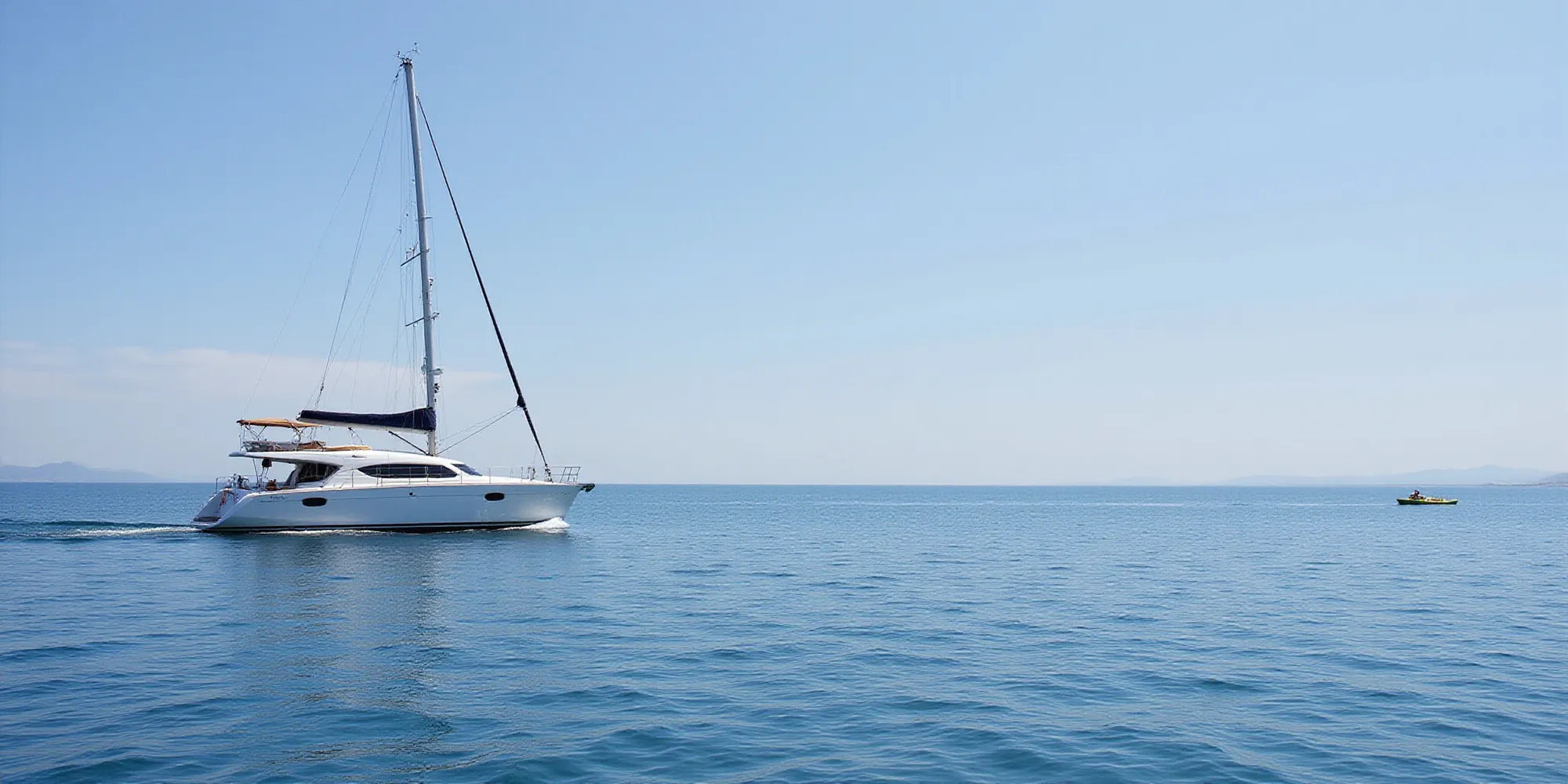
Picture a yacht cutting through calm waters, the kind of scene that pops straight out of a postcard.
But the life on board is a lot richer than the image we all hold in our heads.
When we think of yacht sea, we imagine endless horizons, freedom, and the thrill of the unknown. Does that picture match your reality? The allure is a powerful motivator, yet it also hides a maze of responsibilities. That maze can become a map if you learn to read its symbols.
- Financial investment with potential for resale or charter income.
- Professional growth in maritime skills.
- Networking with industry leaders.
- Lifestyle flexibility and travel.
- Personal fulfillment from mastering the sea.
| Role | Typical Path | Key Skill |
|---|---|---|
| Deckhand | First Mate → Captain | Deck maintenance |
| Engineer | Chief Engineer → Marine Tech | Engine troubleshooting |
| Chef | Stewardess → Culinary Lead | Menu design |
| Captain | Owner → Yacht Manager | Navigation & leadership |
We’ve seen real sailors who started as deckhands and climbed to captain in less than a decade. Their secret? Continuous learning and a willingness to dive into every task.
If you’re ready to turn that dream into a plan, start by setting clear goals. Ask yourself: What type of yacht do you want? Who will crew it? What budget can you allocate? These questions are the first checkpoints on your journey.
The journey starts with a clear vision. Do you prefer a sleek motor yacht or a classic sailing vessel? Each choice shapes your budget, crew needs, and maintenance routine.
Financially, owning a yacht is like managing a small business. You’ll budget for hull upkeep, engine overhauls, insurance premiums, and port fees. Ignoring one line can sink the entire venture.
Crew recruitment is another key step. A balanced team—captain, engineer, deckhand, and stewardess—creates harmony on deck. Each role demands specific certifications and experience.
Networking can turn a hobby into a career. Joining clubs, attending trade shows, and connecting online are proven ways to meet industry insiders.
If you’re skeptical, consider this: many yacht owners started with a small 25‑ft cruiser and scaled up as profits grew.
With these insights, you’re ready to dive deeper into the practical side of yacht sea ownership.
Ready to take the next step?
Download our free Yacht Career Guide or schedule a consultation with a professional yacht management firm to start your journey today.
In the next section, we’ll break down the financial commitments of yacht sea ownership so you can chart a realistic course.
Beyond the Deck: The True Cost and Commitment of Yacht Sea Ownership
Owning a yacht feels a lot like driving a floating luxury car, but the price tag is a beast.
Do you know how many hidden costs lurk beyond the purchase price?
From registration to fuel, each line item can bite like a shark.
Let’s break down the true cost of owning a yacht sea vessel. These figures come from 2024 industry reports and real‑world data.
- New builds start at $300 k for a 30‑ft cruiser, while 100‑ft mega‑yachts can top $15 M.
- Used vessels trim 20 – 30 % off that price, yet often hide maintenance histories.
- Financing rates vary; a 5 % APR over 15 years can add $120 k to the purchase.
- Registration under a foreign flag like Panama can slash taxes, but it demands stricter crew licensing.
- Insurance premiums average $1.5 k–$4 k per $1 M insured value; liability adds another $2 k–$5 k.
- Fuel consumption spikes during long voyages—a 50‑ft yacht can burn 40 gal/day, costing $800 weekly.
Maintenance is a recurring budget line: dry‑dock every 2 – 3 years, engine overhauls, and hull cleaning.
Unexpected repairs can reach $30 k–$60 k, often triggered by corrosion or electrical failures.
Moorage costs vary by marina: $0.10–$0.25 per foot per month, plus security and utilities.
Crew salaries drive cash flow; a captain earns $90 k, a deckhand $35 k, and a chef $45 k annually.
Adding all these, the average annual cost for a 40‑ft yacht sits between $45 k and $70 k.
Crew Salary Snapshot
| Role | Avg. Annual | Hours |
|---|---|---|
| Captain | $90k | 50 |
| Deckhand | $35k | 45 |
Some owners mistakenly call the fuel bill a “costs” and underestimate its impact.
New vs. used: the upfront purchase is higher for new, but maintenance dips due to newer systems.
Used boats may require earlier engine overhauls, yet they often come with pre‑installed high‑tech gear.
Insurance for a used vessel can be cheaper if the hull is intact, but older electronics raise premiums.
Flag state choice influences tax, crew licensing, and environmental compliance— a decision that can save thousands.
Ultimately, ownership is a marathon, not a sprint; budgeting every line item keeps the vessel afloat.
Ready to take the next step?
Download our free career guide or schedule a consultation with a yacht management firm today.
Crew Chronicles: From Deckhand to Captain – Roles, Duties, and Career Paths in the Yacht Sea
Ever wondered what a day on a yacht looks like from the deckhand’s boots to the captain’s helm? We’ve mapped the crew chain like a treasure map, revealing hidden titles and the real costs of yacht ownership. The roles aren’t just jobs; they’re stepping stones to command, each with its own certifications and salary band. Ready to chart your path? Let’s dive in.
Crew Roles & Daily Duties
Captain
At the helm sits the captain, steering the vessel and crew. They chart courses, manage budgets, and keep safety first. Days begin with weather checks and end with a debrief that feels like closing a chapter.
First Mate
The first mate runs daily operations, overseeing the deck crew and cargo. They act as the captain’s right hand and handle any unexpected hiccups on the water.
Deckhand
Deckhands keep the yacht looking sharp and safe. Their tasks range from mooring, cleaning, to emergency drills—every ripple counts.
Engineer
Engineers maintain propulsion, power, and HVAC systems. They perform routine checks and troubleshoot engine hiccups before they become storms.
Chef
Chefs craft menus that match the yacht’s luxury. They manage inventory, prep meals, and accommodate dietary preferences.
Stewardess
Stewardesses manage guest comfort, cabin upkeep, and catering. Their smile is the vessel’s first impression.
Other Specialized Roles
- Purser – handles payroll and budgeting.
- Helmsman – steers during sailing.
- Safety Officer – conducts drills and ensures compliance.
| Position | Avg. Annual Salary (US) | Typical Hours |
|---|---|---|
| Captain | $80 k–$120 k | 40–60 |
| First Mate | $50 k–$70 k | 40–50 |
| Deckhand | $30 k–$45 k | 40–50 |
| Engineer | $45 k–$65 k | 40–50 |
| Chef | $35 k–$55 k | 40–50 |
| Stewardess | $28 k–$45 k | 40–50 |
Certifications & Licensing
- Captain – USCG MMC, RYA Yachtmaster (≈$500–$1 k).
- First Mate – USCG MMC, RYA Yachtmaster (≈$400–$900).
- Deckhand – Basic Safety Training, RYA Deckhand (≈$200–$400).
- Engineer – USCG MMC, LR Marine Engineer (≈$600–$1 k).
- Chef – USCG Food Handler, RYA Culinary (≈$300–$600).
- Stewardess – USCG MMC, RYA Stewardess (≈$300–$600).
Career Pathways
- Entry Level – Deckhand → First Mate → Captain.
- Specialists – Engineer → Chief Engineer → Marine Technical Manager.
- Management – Purser → Operations Manager → Yacht Management Director.
- Entrepreneurial – Charter owner, yacht management firm, or brokerage.
Each step requires hands‑on experience and a stack of certifications, turning a dream into a tangible command. The demand for seasoned crew in the yacht sea market remains high, especially for engineers and chefs who blend skill with hospitality.
Industry Demand & Hidden Titles
Yacht crew jobs are not just titles; they’re lifelines. While the headline roles are well‑known, many vessels employ purser, safety officer, or helmsman—positions that often command similar pay and offer quick promotion paths.
Understanding yacht ownership costs is essential for anyone considering a career in the yachting industry.
If you’re ready to start your yachting career, download our free Career Guide or schedule a consultation with a yacht management firm.
Ever wondered what it takes to join a yacht crew?
We’ve mapped the path from classroom to helm, so you know the steps before you set sail.
The journey starts with a solid education, not a wish list.
Are you ready to dive into the world of certifications and networking?
Training Schools & Certifications
RYA Programs
The Royal Yachting Association offers a tiered ladder: RYA Yachtmaster (6 months) and Marine Engineer (12 months). Graduates benefit from strong industry ties that help them find roles on a variety of vessels.
USCG Training
The U.S. Coast Guard’s Merchant Mariner Credential (MMC) is mandatory for U.S. flag vessels. The basic course lasts 3 months and prepares candidates for a range of maritime positions.
Maritime Academies
Atlantic Maritime Academy and International Yacht School provide diplomas in marine engineering and yacht management. Programs run 1–2 years and prepare graduates for careers on charter fleets and private yachts.
Networking Tactics
- Industry Events: Attend the Miami International Boat Show, Monaco Yacht Show, and SEMA to connect with industry professionals.
- Professional Associations: Join the International Yacht Owners Association and the Yacht Management Association for job boards and mentorship.
- Online Platforms: Use YachtCareer.com, Crewseek, and LinkedIn groups such as “Yacht Crew Professionals.” A polished profile and active engagement can turn a comment into an interview.
Networking isn’t just about exchanging business cards; it’s about building trust, like a crew that relies on each other during a storm. Consistent participation in events often leads to quicker career advancement.
The next section will dive into the day‑to‑day responsibilities that await you on board. Stay tuned to see how training translates into real‑world duties and how you can accelerate your career trajectory.
The Bottom Line: Annual Yacht Sea Ownership Costs and Hidden Expenses Explained
Owning a yacht is like having a floating luxury car—pretty, but the price tag keeps climbing each year. Think of a yearly budget that feels like a living paycheck, with recurring items that just keep coming. Curious about the real cost of a year on the water? Let’s pull back the curtain on the numbers that keep the sea running.
Recurring Costs
- Dry‑dock & hull maintenance: $8,000–$15,000 annually for a 40‑ft cruiser.
- Engine overhaul: $12,000 every 3‑5 years, but budget $3,000 yearly as a reserve.
- Insurance: $1,500–$4,000 per $1 M of insured value.
- Fuel: 30–50 gallons a day at $4/gal equals $4,500–$7,500 monthly.
- Mooring & dock fees: $0.10–$0.25 per foot per month.
| Category | Typical Annual Cost |
|---|---|
| Dry‑dock | $10 k |
| Engine reserve | $3 k |
| Insurance | $3 k |
| Fuel | $6 k |
| Mooring | $4 k |
Unexpected Outlays
Even a seasoned skipper can be blindsided by surprise repairs. A cracked propeller can cost $5,000, while an engine fault might push you into the $20,000–$50,000 range. Compliance audits, like SOLAS inspections, add another $2,000–$5,000 yearly. Think of these as the hidden tide that pulls your budget down.
Budgeting Hacks
- Build a maintenance reserve: Set aside 10% of your annual income for unforeseen repairs.
- Shop for insurance: Compare marine carriers; a 5% discount can save $150 a year.
- Fuel efficiency: Use a fuel‑management app to track consumption and cut waste.
- Leverage crew sharing: Partner with other owners to share a part‑time engineer and cut costs.
Beyond the numbers, the rhythm of ownership is a dance of timing and foresight. If you plan your dry‑dock when the market is low, you can shave $1,500 off the annual bill. Likewise, scheduling engine overhauls during a slow season spreads the cost over months.
With these figures in hand, we can now dive into how to manage cash flow and keep your yacht sea adventure smooth and profitable.
We’ve pulled together the most common questions that new yacht lovers keep asking.
Ever wonder how much a yacht really costs, or what a day out on the water actually looks like?
Our FAQ strips away the jargon and gives you straight‑forward, evidence‑based answers.
We’ll lay out the numbers, show you real‑world scenarios, and drop some insider tips.
Ready to dive in?
Below are the top questions we answer, each backed by data.
| Question | Key Takeaway |
|---|---|
| How much does it cost to own a yacht? | Purchase price plus annual upkeep averages $45‑$70k for a 40‑ft vessel. |
| What is a typical daily routine for a yachtie? | Morning safety checks, navigation planning, guest service, then evening debrief. |
| Do I need a license to operate a yacht? | Yes—USCG Merchant Mariner Credential or equivalent for your flag state. |
| Can I start a yacht charter business? | Requires a management license, insurance, and a solid network; many begin with a 30‑ft charter. |
| What are the most in‑demand yacht crew jobs? | Engineers, captains, and chef/stewardess roles are consistently high in demand. |
Each answer pulls from 2024 industry reports and hands‑on experience.
- Ownership costs: New builds start at $300k; used boats offer 20‑30% savings but may carry hidden maintenance.
- Daily routine: Think of a yachtie’s day as a well‑orchestrated ballet—every task aligns with safety and service.
- Licensing: The USCG MMC covers basic safety, advanced firefighting, and first aid; RYA certifications are the UK standard.
- Charter startup: Secure a Yacht Management license, purchase liability insurance, and build relationships with marinas.
- In‑demand roles: Engineers handle engine overhauls; captains navigate and command; chefs keep guests satisfied.
These insights help you decide whether to buy, crew, or launch a charter. They also show how to budget, prepare, and market yourself.
Next, we’ll explore the most in‑demand roles and how to land them, turning curiosity into a career.
Download our free Yacht Career Guide today or schedule a consultation with our yacht management firm to start your journey.
Final Steps: Your Path to the Yacht Sea
We’ve taken you through the tides of yacht sea ownership and crew careers. Now it’s time to turn what you’ve learned into action. Picture a blueprint that maps every certification, cost, and opportunity. Ready to set sail?
Download our free “Yacht Sea Career Blueprint” and unlock a step‑by‑step guide to certifications, job hunting, and ownership planning. Schedule a complimentary consultation with a leading yacht management firm and receive personalized advice tailored to your goals. Both offers are free—no strings, no hidden fees.
- Access insider data on average salaries for deckhand, engineer, and captain roles.
- Learn the exact cost breakdown for owning a 40‑ft yacht.
- Discover the fastest career paths from deckhand to captain.
- Get a step‑by‑step checklist for certifications and licensing.
Why wait for the tide to rise when you can chart your course today? Grab your free guide now and let us steer you toward the horizon of success.
Your next chapter begins with a single click—let’s make waves together.
Whether you’re dreaming of a quick escape or a longer journey.
Your perfect yacht is ready to set sail.