Owning a Luxury Yacht: Costs, Crew, and Lifestyle
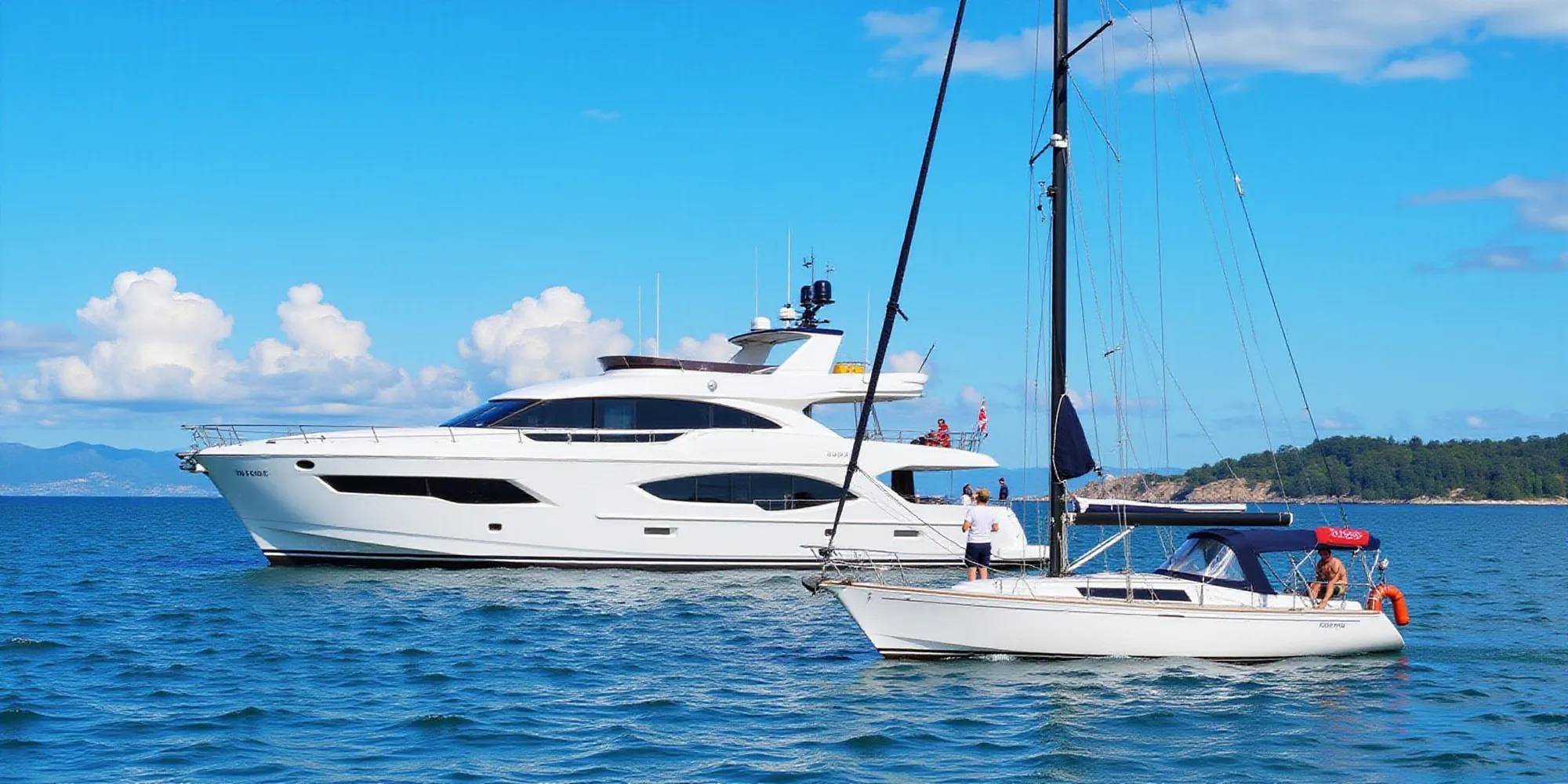
Ever wondered what it feels like to own a floating palace?
We’re about to drop the anchor on that dream.
The world of a yacht owner blends freedom, responsibility, and a splash of luxury.
Ready to chart your course?
The Allure of Luxury Yachting
Picture a yacht, and think less “boat” and more “mobile resort.”
Thousands of aspiring owners ask, “What’s the real cost?”
The answer is a mix of purchase price, operating fees, and legal hoops.
For a $10 million vessel, the 10‑15 % rule translates to $1–1.5 million per year.
That figure isn’t just a number—it’s a lifestyle budget covering crew salaries, dockage, insurance, fuel, and maintenance.
Crew life is the heartbeat of any yacht.
Picture a crew that feels like family—captains, engineers, chefs, and stewards all working in harmony.
Their day kicks off with a safety briefing, followed by navigation checks, guest service, engine maintenance, and an evening debrief.
Each role has its own certifications: STCW for deckhands, Yachtmaster for captains, and culinary diplomas for chefs.
The current trend sees owners flagging their vessels in low‑tax jurisdictions such as the Cayman Islands while hiring international crews.
Global talent paired with local regulations creates an ecosystem that rewards owners who understand both the business and the art of yachting.
Experts at International Yacht Training Worldwide note that owners invest in crew training as much as they do in the hull.
So, if you’re a yacht owner, you know the sea is as much a classroom as it is a playground.
The next section dives into costs, career paths, and turning that dream into reality.
When you weigh yacht costs, the 10‑15 % rule is just a baseline; real expenses climb with amenities, seasonal refits, and crew bonuses.
Yacht crew jobs offer a unique path—each role develops transferable skills in logistics, hospitality, and marine engineering.
For those dreaming of living on water, ownership combined with crew work can forge a sustainable income stream and lifestyle.
Ready to take the next step?
Download our free Career Guide or book a consultation with a yacht management firm today.
The True Cost of Yacht Ownership for a and a Yacht Owner: Beyond the Price Tag
Owning a yacht feels like living in a palace, but the numbers behind the sparkle can cut as sharply as a cutlass.
Beyond the headline price, you’ll encounter a maze of recurring fees, maintenance, and legal hoops.
We’ll lay out the real costs, from purchase to yearly upkeep, so you can chart a clear budget.
Ready to dive in?
Whether you’re exploring yacht crew jobs or just curious about the lifestyle, knowing the financial commitments is essential.
The True Cost of Yacht Ownership: Beyond the Price Tag
When you first sign the paper, the flag state you choose will dictate taxes, crew rules, and insurance premiums.
Cayman, BVI, and Marshall Islands are the most common flags, offering low registration fees but strict safety standards.
A 75‑ft luxury yacht typically costs $12 million; a 50‑ft cruiser averages $5 million.
The 10‑15 % rule suggests $1.2–$1.8 million per year for the 75‑ft, and $500k–$750k for the 50‑ft.
But that rule hides the true costs.
Initial Purchase and Flag State Choices
A vessel’s price tag is the beginning.
You must also budget for registration, a flag‑state tax, and a compliance audit.
The flag state determines crew ratios, safety drills, and the amount of insurance you’ll need.
Cayman’s 1% registration fee is low, but its 30‑day audit can cost $10k.
BVI offers a 2% fee and a 90‑day audit, while Marshall Islands requires a 3% fee and no audit.
Annual Operating Costs
Crew salaries usually take up 35% of yearly costs, followed by fuel, docking, and maintenance.
Fuel for a 75‑ft yacht burns 70 gal per 100 nm, costing $4k–$5k monthly.
Docking fees vary: $40/ft/month in Miami, $20/ft/month in Barcelona.
Maintenance and repairs average 12% of vessel value yearly.
Insurance typically ranges 1.5%–2% of the purchase price.
Add provisioning, communication, legal, and periodic refits, and the yearly costs climb.
Hidden and Unexpected Expenses
- Refits: interior upgrades every 5–7 years can cost $300k–$500k.
- Import duties: 5% on new yachts in the EU.
- Crew training: $10k per year per crew member.
- Unexpected repairs: 10% of operating budget annually.
Case Study: 50‑ft vs 75‑ft
A 50‑ft yacht costs $5 million; its yearly costs total $500k–$750k.
A 75‑ft yacht costs $12 million; yearly costs reach $1.2–$1.8 million.
The larger yacht’s fuel burn is 30% higher, yet its per‑guest cost drops 15%.
Choosing a low‑tax flag can shave $20k–$30k annually off the 75‑ft’s bill.
Budgeting Tip
Set a 12‑month cash reserve equal to 25% of the vessel’s purchase price.
Track every line item in a spreadsheet; review quarterly to spot trends.
Use the 10‑15 % rule as a benchmark, not a ceiling.
Ask your manager about tax credits for eco‑friendly upgrades; they can offset refit costs.
Remember, the costs of ownership are like tides—steady but shifting.
With these numbers in hand, you can decide if the dream is a realistic voyage or just a mirage.
Ready to take the next step? Download our free Career Guide or schedule a consultation with a yacht management firm today.
a and a yacht owner: Legal Essentials for Yacht Ownership
Navigating the Legal Waters: Flags, Certifications, and Insurance
Owning a yacht feels like living on a floating palace, but the legal side can be tougher than the ocean itself. Choosing a flag state is akin to picking a passport for your vessel. It determines taxes, crew rules, and even the crew’s medical checks.
Flag State Selection
Picking a flag is like choosing a home country for your boat. It sets crew licensing, safety standards, and tax treatment. The most popular flags—Cayman Islands, British Virgin Islands, Marshall Islands—offer low fees and relaxed regulations, but each comes with its own compliance quirks.
Registration Process
A Certificate of Registry is the vessel’s passport. We file it with the chosen flag authority, then update it whenever ownership or flag changes. The paperwork includes a detailed log of ownership, tonnage, and a declaration of compliance.
Crew Certification Requirements
Crew must hold STCW‑based certificates: Master, Chief Officer, Deckhand, and Engineering. Many flag states add extra medical or safety training. We often see crew from the UK holding RYA Yachtmaster certificates, while US crews lean on USCG certifications.
Insurance Types
Hull and Machinery cover physical damage; Protection & Indemnity (P&I) protects against third‑party claims like environmental damage. For a $10 M yacht, hull insurance might cost 1% of value annually, while P&I could be 0.5%.
Compliance Checklist
- Flag selection: tax, crew rules, registration
- Certificate of Registry: keep current
- Crew STCW: verify dates and endorsements
- Insurance: hull, machinery, P&I
- Medical certificates: ENG1 for all crew
| Step | Action | Who | Due Date |
|---|---|---|---|
| 1 | Apply flag | Owner | 30 days after purchase |
| 2 | File registry | Agent | 15 days after flag approval |
| 3 | Verify crew certs | Captain | Monthly |
| 4 | Renew insurance | Management | Annually |
Real‑World Example
When a French yacht owner chose the Marshall Islands flag, the registration fee dropped from €15,000 to €5,000, saving €10,000 per year. The owner also avoided the stricter medical protocols of the UK, allowing quicker crew onboarding.
Additional Insights
Understanding yacht crew jobs and the various certifications required is essential for anyone looking to join a crew. These legal considerations also have a direct impact on yacht ownership costs, influencing the overall financial commitment of owning a vessel.
The next section will dive deeper into how these legal foundations affect day‑to‑day operations and crew morale. Keep reading to see how compliance translates into smoother voyages.
Ready to take the next step? Download our free career guide or schedule a consultation with a yacht management firm today.
Ever wondered who keeps a luxury yacht running like a well‑oiled machine? Meet the crew—the unsung heroes that turn a floating palace into a home.
Here’s a snapshot of the crew ladder, salary ranges, and certifications that shape their daily grind.
| Position | Core Duties | Salary (USD) | Key Certifications |
|---|---|---|---|
| Captain | Overall safety, navigation, crew management | 80k–150k+ | STCW Master, Yachtmaster Offshore, 1–2 yrs experience |
| First Mate | Assists captain, oversees deck ops | 55k–90k | STCW Chief Officer, 2–4 yrs experience |
| Engineer | Engine maintenance, electrical systems | 70k–110k | STCW Engineering, 3–5 yrs experience |
| Chef | Menu planning, galley ops | 50k–80k | Culinary school, 2–4 yrs experience |
| Stewardess | Guest services, housekeeping | 35k–55k | Hospitality training, 1–3 yrs experience |
| Deckhand | Cleaning, safety drills | 30k–45k | STCW Deckhand, 1–3 yrs experience |
Each role is a stepping stone; a deckhand’s first shift often feels like learning to swim in a storm.
I once watched a captain chart a course through a sudden squall, turning panic into calm with a single voice.
Progression usually starts with basic STCW, then advanced RYA courses, and finally a master’s license.
| Stage | Typical Roles | Progression Path | Key Milestones |
|---|---|---|---|
| Entry | Deckhand, Stewardess | Pass STCW, gain 1‑2 yrs experience | Obtain ICC, first crew placement |
| Mid‑Level | Bosun, Junior Chef, Purser | Advanced training (RYA, IYT), 3‑5 yrs | Certification upgrades, leadership roles |
| Senior | Captain, Chief Engineer, Head Chef | Mastery of navigation, engineering, culinary arts | STCW Master, Yachtmaster, professional licenses |
| Specialized | Marine Electrician, Yacht Designer | Advanced degrees, industry certifications | ISO 9001, specialized engineering courses |
- Start as deckhand →
- Move to bosun or junior chef →
- Earn advanced certifications →
- Aim for captain or chief engineer
Salaries vary by vessel size, flag state, and experience. On a 100‑ft yacht, a chef earns $75k, while a deckhand might earn $35k.
Certifications are the passport to higher decks. A STCW Basic Safety Training is mandatory, but a Yachtmaster Offshore opens doors to transoceanic voyages.
Niche roles like marine electrician or yacht designer command premium pay and offer unique career paths.
Real stories show how a purser’s numbers keep itineraries smooth and budgets tight.
The day on deck feels like a rite; you learn wind, engine gauges, pulse.
When you climb from deckhand to first mate, you gain authority and responsibility, but also the weight of crew morale and safety.
If you’re drawn to the mechanical side, an engineering path starts with a basic engine course and culminates in a master engineer license.
Chefs on a yacht blend culinary art with supply logistics, a dual role.
With these insights, you can map your own voyage from deckhand to skipper, ready for the next chapter.
Ready to start your yachting career? Download our free career guide or schedule a consultation with one of our experienced yacht management professionals.
a and a yacht owner: Training Schools, Certifications, and Networking Tips
Curious about how a crew climbs to the captain’s chair? We’ve laid out the path from deckhand to skipper. Our guide slices through jargon and lays out the steps plainly. We’ll highlight the top schools—IYT, RYA, ABOA—where theory meets the sea. Ready to set sail? Let’s chart the course together.
IYT Worldwide puts crews through real‑world scenarios. Their curriculum covers navigation, engine safety, and hospitality. Graduates move straight into senior positions.
RYA’s Yachtmaster titles open the open seas. Modules mix theory with on‑deck practice. Alumni say the rigorous standards give them confidence.
ABOA zeroes in on U.S. port regulations. Workshops tackle ballast and fire‑extinguisher drills. We hosted a live ballast session; the feedback was stellar.
Certifications are credibility currency. Without them, job offers feel like a mirage. STCW Basic is the entry ticket; Yachtmaster opens higher decks. Earn STCW first, then layer on specialized courses.
Networking keeps you afloat during storms. Attend the Monaco Yacht Show or Miami Sail Expo. LinkedIn groups and Reddit r/yacht share daily insights.
Online forums are full of real‑world stories. Join a local sailing club for practice and friends. Treat networking like a well‑tuned rig.
Timing matters. Certifications require 3‑6 months of study. Plan a staggered approach: finish STCW, then RYA, then ABOA. Track progress with a simple spreadsheet weekly.
Success stories prove dedication pays. One trainee earned a captain’s license in 18 months. Another became a purser in two years.
Every certification is a stepping stone. Set milestones, celebrate wins, and never underestimate a mentor. With training, networking, curiosity, and perseverance, you’ll navigate like a seasoned skipper.
We’ve also explored the financial side of owning a yacht—yacht ownership costs, maintenance, and legal considerations. Keep this roadmap handy; it takes you from deckhand to skipper and prepares you for the next chapter on budgeting for ownership.
Next step: Download our free career guide to dive deeper into yacht crew jobs, certification pathways, and networking strategies. Or schedule a consultation with a yacht management firm to personalize your journey.
Remember, the sea rewards perseverance; each challenge hones skill. Stay disciplined, keep records, and review progress quarterly. Your roadmap will evolve, but fundamentals stay constant.
In the next part, we’ll tackle investment strategies—financing options, tax advantages, and resale plans. Stay tuned for deeper dives into the business side.
a and a yacht owner: Frequently Asked Questions
Frequently Asked Questions: From Costs to Daily Routines
1. How much does it cost to own a yacht?
The 10‑15 % rule is the go‑to: a $10 million yacht needs $1–1.5 million per year.
Quick‑reference checklist:
- 10‑15 % of market value
- 1–2 % of value (hull insurance)
- Dockage $30–120/foot/month
- Fuel 50 gal/100 nm
2. What legal steps must a yacht owner complete?
Choose a flag, obtain a Certificate of Registry, register with a marina, ensure crew hold STCW, file a safety audit.
Checklist:
- Flag state selection
- Certificate of Registry
- Crew STCW verification
- Safety audit
- Insurance compliance
3. What does a typical yacht crew day look like?
- Morning safety brief, navigation check, breakfast
- Midday: water‑tendering, deck upkeep
- Afternoon: engine diagnostics, crew training
- Evening: dinner service, safety drill
- Wrap‑up: log entry, brief debrief
4. Which certifications are essential for deckhand roles?
- STCW Deckhand
- ENG1 medical (seafarer)
- VHF radio
- First Aid/CPR
For progression: STCW Chief Officer, Yachtmaster Coastal, ICC
This is a common requirement for many yacht crew jobs.
5. How can a deckhand transition to captain?
Gain 2–4 years experience, earn STCW Chief Officer, complete Yachtmaster Offshore, lead voyages, build a portfolio of itineraries. Checklist:
- 2–4 yrs crew experience
- Chief Officer certification
- Yachtmaster Offshore
- Log of 5+ voyages
- Leadership role in crew management
6. Quick‑Reference Checklist for New Owners and Crew
- 10‑15 % operating cost per year
- 1–2 % hull insurance
- Dockage $30–120/foot/month
- Fuel 50 gal/100 nm
- Flag state selection
- Certificate of Registry
- Crew STCW verification
- Safety audits
- First Aid/CPR
- Yachtmaster Offshore
- Log 5+ voyages
- Build a professional portfolio
With these answers in hand, you’re ready to map the next leg of your yachting journey. Download our free Career Guide or schedule a consultation with a yacht management firm to take the next step.
a and a yacht owner: Take the Helm: Download Your Free Yacht Career Blueprint
Do you dream of steering your own course across turquoise horizons? We’ve distilled years of yachting wisdom into a single, bite‑sized guide. This blueprint cuts through jargon like a laser, giving you clear steps to launch a career or buy a yacht. It’s more than a PDF; it’s a passport to the world of seafaring success. Ready to set sail?
This blueprint covers essential aspects such as yacht crew jobs and yacht ownership costs, ensuring you are well‑prepared for every step.
Take the Helm: Download Your Free Yacht Career Blueprint
Why This Blueprint is Your Compass
- A clear roadmap from deckhand to skipper, with no guessing.
- Real‑world cost calculators based on latest yacht ownership costs.
- Insider interview snippets that reveal hidden career hacks.
- Actionable timelines that fit your busy schedule.
You’ll know exactly which certifications to pursue and when to apply. No more wasted time or money chasing vague advice.
What You’ll Get Inside
| Feature | Value |
|---|---|
| Step‑by‑step certification roadmap | 3‑month path to Yachtmaster |
| Cost‑planning worksheet | Estimate annual spend within 5% |
| Industry contacts list | 200+ vetted recruiters |
| Case studies | 5 success stories from real yachties |
Here’s a snapshot of what the guide covers, broken into bite‑sized modules. The guide breaks each module into daily tasks, so you stay on track. Plus, we include printable checklists you can keep on your desk.
Real Success Stories
- Case study: A yachtie turned captain in 12 months.
- From deckhand to first mate, a 3‑year journey.
- Engineer who earned a 2‑year certification and landed a senior role.
Key Benefits
- Fast track to industry recognition and higher earnings.
- Network access to top recruiters and yacht owners for yacht crew jobs.
- Hands‑on templates for budgeting and crew scheduling.
How It Works
- Download the PDF and review the roadmap.
- Complete the worksheets and track progress weekly.
- Schedule a strategy call to personalize your path.
Urgency & Limited Offer
- Only 500 free copies available before the next season.
- Early birds receive a 30‑minute strategy call.
- After that, price rises with market demand.
Remember, the sea favors the prepared. Act now and lock in the early‑bird benefits.
Book Your Consultation
Schedule your consultation now. We’ll slot you into the right training or ownership program in less than a week.
Frequently Asked Questions
Q1: What is the first certification I need?
A1: STCW Basic Safety Training is mandatory.
Q2: How long does it take to become a captain?
A2: Typically 3–5 years of experience and advanced courses.
Take Action Now
Take the helm. Success awaits beyond the horizon today.
Whether you’re dreaming of a quick escape or a longer journey.
Your perfect yacht is ready to set sail.