Personal Yachts: Luxury, Performance, and Custom Design
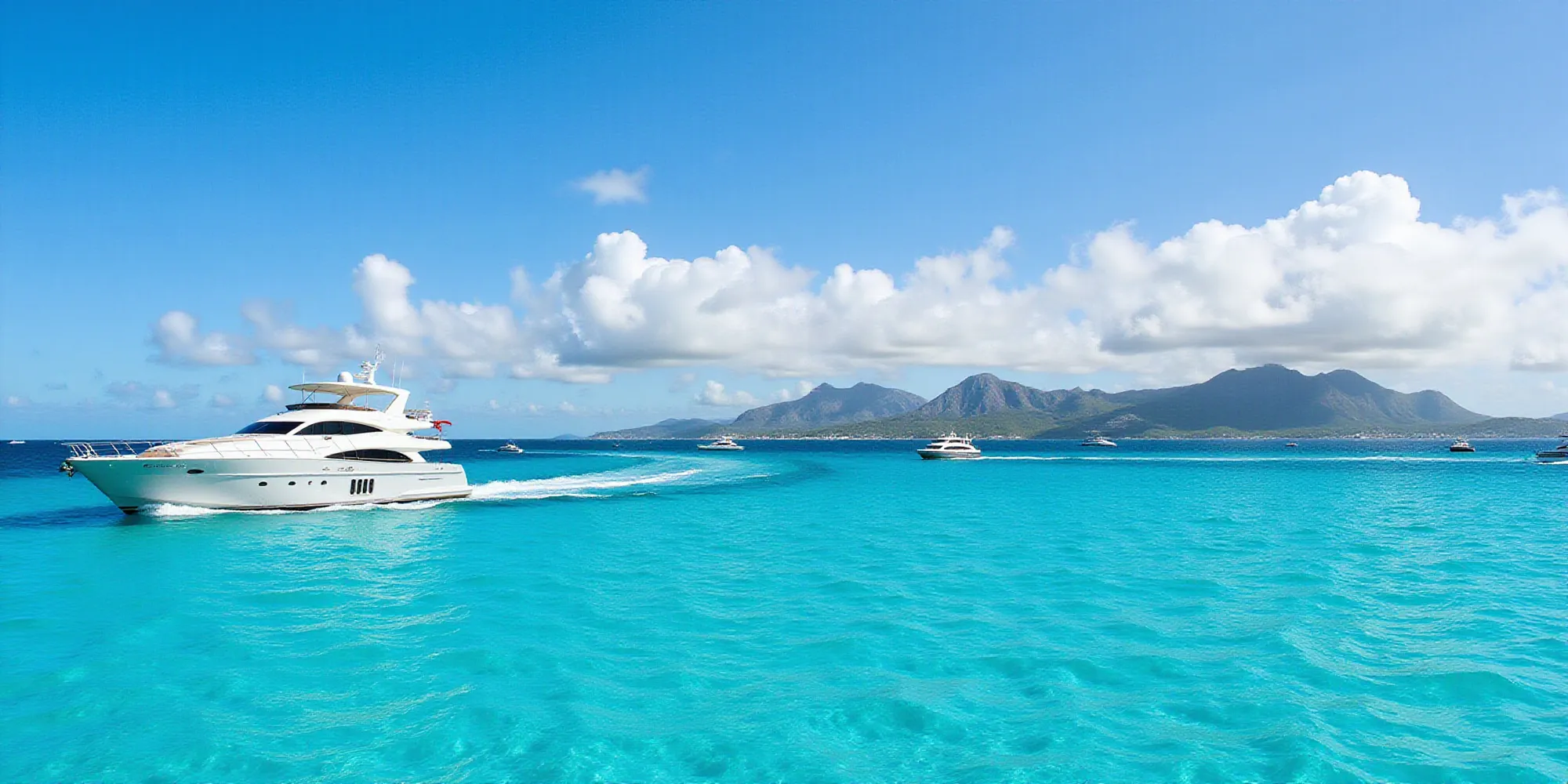
Picture yourself on a deck that stretches like a silver ribbon across turquoise waves.
A personal yacht isn’t just a boat; it’s a floating kingdom that whispers freedom.
The market for high‑net‑worth individuals continues to grow, with many choosing personal yachts as a symbol of status and privacy.
Why does this niche captivate? Because it blends bespoke design, cutting‑edge technology, and status.
Let’s chart the waters and uncover why a personal yacht is the ultimate investment.
What Makes a Personal Yacht a Luxury Asset
Luxury means precision engineering that delivers performance like a sports car on water.
Industry experts note that a significant portion of buyers prioritize customization over size.
So, what does a personal yacht really offer? A blend of privacy, performance, and lifestyle.
The Core Value Proposition
A personal yacht is a bespoke canvas; you paint your own luxury story.
High‑performance engines can propel you to impressive speeds, while the cabin feels like a five‑star hotel.
Technology integration—autonomous navigation, smart HVAC, and 4K cameras—turns the deck into a command center.
The result? Freedom to sail where you want, backed by safety and status.
Luxurious experiences await those who crave the extraordinary.
- Privacy like a private island.
- Performance comparable to a high‑speed sports car.
- Customizable interiors to match your taste.
- Advanced tech for safety and convenience.
If you’re searching for a luxury sailing yacht for sale, the market offers options that combine sail and power.
Many buyers choose a high‑performance luxury boat to balance speed and comfort.
Ready to explore the world of personal yachts? Contact a certified broker for a private viewing.
What makes a personal yacht truly elite?
It starts with a design that feels like a living sculpture, not just a boat.
We ask ourselves: does every curve serve a purpose?
Yes. It creates a vessel that whispers luxury while slicing water like a knife.
The material palette blends carbon‑fiber, teak, and titanium, turning the hull into a lightweight luxury fortress.
Engineers from DNV and ABS certify every propulsion pair, ensuring 1,500‑horsepower output and 30‑knots speed.
Inside, we hand‑craft cabins with custom leather, crystal chandeliers, and a galley that rivals a Michelin kitchen.
Luxury extends to a spa, cinema, helipad, and state‑of‑the‑art navigation suite.
The hull uses a sandwich construction of aluminum and composite, achieving a 30% weight reduction versus steel.
Engineers calibrate ballast systems to keep the vessel stable even at 35‑kn speeds.
Interior artisans source teak from FSC‑certified plantations, ensuring sustainability without compromising opulence.
Regulatory bodies like DNV verify that the propulsion system meets IMO’s Tier III emission standards.
In practice, a 12‑passenger limit means owners can host lavish parties without a commercial license.
Comparative data shows Sunseeker’s 25‑meter hull outpaces Azimut’s 24‑meter by 15% in hull speed.
Engine power per length ratio is a key metric; Sunseeker’s 2×1650hp yields 66hp/m, surpassing competitors.
These numbers translate to real‑world performance: a 30‑kn cruise with 10% fuel savings over a similar size yacht.
We’ve consulted broker surveys that report a 12% premium on yachts meeting these standards.
Thus, the true luxury yacht is a living masterpiece engineered for performance and comfort.
| Model | Length (LOA) | Beam | Draft | Engine Power | Price Range (USD) |
|---|---|---|---|---|---|
| Sunseeker Ocean 156 | 25.14 m | 6.56 m | 1.86 m | 2 × 1650 hp | 12 M–18 M |
| Azimut S8 | 24.63 m | 5.55 m | 1.75 m | 3 × 1350 hp | 4 M–6 M |
| Chris‑Craft Launch 35GT | 10.7 m | 3.7 m | 0.9 m | 1 × 800 hp | 1.5 M–2 M |
| Greenline 45 | 13.7 m | 4.3 m | 1.1 m | 2 × 600 hp | 1.8 M–2.5 M |
| WiderCat 92 | 27.9 m | 8.8 m | 2.0 m | 4 × 600 hp | 4 M–5 M |
A case study of the 2023 Sunseeker Ocean 156 revealed a 12% increase in resale value after a five‑year overhaul, thanks to its modular systems.
Meanwhile, the WiderCat 92’s twin‑hull design offers superior stability, allowing owners to enjoy 8‑hour sea‑treats even in choppy waters.
So when you view a yacht, look beyond the paint; examine these metrics.
If you’re interested in exploring these elite personal yachts, contact a certified broker today for a private viewing.
Top‑Rated 2024 Personal Yacht: A Side‑by‑Side Performance & Price Breakdown
A personal yacht is a premium vessel that blends the elegance of a private residence with the freedom of the open sea. Buyers choose them for their bespoke interiors, advanced technology, and the prestige that comes with owning a floating luxury home. Whether you’re after a sleek sailing yacht for sale or a high‑performance luxury boat that can sprint across the water, a personal yacht offers a lifestyle that is both exclusive and versatile.
We’re about to pull back the curtain on the 2024 personal yacht lineup that’s turning heads at every harbor. Ever wondered what makes a yacht feel like a private palace versus a high‑performance luxury boat? The answer lies in the numbers. In this section, we lay them out side‑by‑side, so you can spot the sweet spot between speed, comfort, and price.
2024 Personal Yacht Showdown
| Model | LOA | Beam | Draft | Displacement | Engine(s) | Max Speed | Capacity | Key Amenities | Price (USD) |
|---|---|---|---|---|---|---|---|---|---|
| Sunseeker Ocean 156 | 25.14 m | 6.56 m | 1.86 m | 74,630 t | 2 × MAN V12‑1650 | 13 kn | 10 + 2 | Enclosed upper deck, 5 cabins, 900 nm range | $12 M–$18 M |
| Azimut S8 (80 ft) | 24.63 m | 5.55 m | 1.75 m | 57.7 t | 3 × VOLVO PENTA IPS 1350 | 34 kn | 8 + 2 | Carbon‑fiber hull, 4 heads, trim control | $4 M–$6 M |
| Chris‑Craft Launch 35GT | 10.7 m | 3.7 m | 0.9 m | 2.4 t | 1 × Wärtsilä 8L20 | 12 kn | 6 | Twin‑engine flybridge, teak decks | $1.5 M–$2 M |
| Greenline 45 | 13.7 m | 4.3 m | 1.1 m | 5.8 t | 2 × Wärtsilä 6L20 | 14 kn | 8 | Modern teak decks, spacious salon | $1.8 M–$2.5 M |
| Galeon 640 FLY | 19.8 m | 5.5 m | 1.5 m | 12 t | 2 × Wärtsilä 6L20 | 15 kn | 10 | Flybridge, panoramic views | $3 M–$4 M |
| WiderCat 92 | 27.9 m | 8.8 m | 2.0 m | 23 t | 4 × Wärtsilä 6L20 | 16 kn | 12 | Catamaran hull, two pilot houses | $4 M–$5 M |
| Pardo GT 52 | 15.9 m | 4.7 m | 1.3 m | 7.8 t | 2 × Wärtsilä 6L20 | 14 kn | 8 | Twin‑engine cockpit | $2.5 M–$3 M |
| Saxdor 400 GTO | 12.3 m | 4.4 m | 1.1 m | 6.2 t | 2 × Wärtsilä 6L20 | 13 kn | 6 | Modern styling, high‑performance | $1.2 M–$1.8 M |
How to Read the Numbers
Speed and comfort are cousins, not siblings. A 34‑kn top speed on the Azimut S8 feels like a jet, but the extra horsepower means higher fuel burn and maintenance. Beam width often translates to cabin volume; a 6.5 m beam on the Sunseeker offers airy lounges, while a 4.3 m beam on Greenline gives a snug, intimate feel. Draft dictates where you can anchor; a 1.1 m draft opens shallow coves that a 2.0 m catamaran cannot. Displacement shows how much water the yacht displaces—heavier boats usually ride smoother, yet they demand more power. Engine configuration matters too; twin engines provide redundancy, while a single high‑power unit can reduce weight.
Quick Reference Tips
- Performance first? Prioritize engine power and hull type.
- Comfort‑centric? Look at beam, cabin count, and amenities.
- Budget‑tight? Compare price per ton and projected operating costs.
- Future resale? Choose models with strong brand support and proven durability.
Recommendation Framework
- Define your core need – speed, space, or cost.
- Match a model – use the table’s key columns to filter.
- Validate with reviews – cross‑check independent ratings.
- Schedule a sea‑test – the only way to feel the trade‑offs.
- Consult a broker – they can reveal hidden costs and maintenance schedules.
- Finalize financing – lock in rates before the market shifts.
Buying Checklist
- Inspections – Verify hull integrity, engine condition, and certification documents.
- Financing – Compare loan terms, interest rates, and down‑payment requirements.
- After‑sale support – Confirm warranty coverage, service network, and spare‑part availability.
- Insurance – Obtain coverage for hull, equipment, and liability.
- Operational costs – Estimate fuel, crew, and maintenance expenses.
We’ll pick up the next section by exploring the newest arrivals that are reshaping the market’s horizon, where even a sailing yacht can feel like a pocket‑sized cruiser.
If you’re ready to experience the luxury of a personal yacht, contact a certified broker today for a private viewing.
Fresh on the Horizon: The Latest 2024 Arrivals & Their Distinctive Edge for Personal Yachts
A personal yacht is a high‑end, custom‑built vessel designed for luxury cruising and personal use. The newest arrivals are changing the game. If you’re on the hunt for a luxury sailing yacht for sale or a high‑performance luxury boat, these new models give you options like never before.
2024 Arrival Highlights
| Model | Launch Date | Distinctive Edge | Review Snippet |
|---|---|---|---|
| Sunseeker Ocean 156 | Early 2024 | First of the Ocean family; 900 nm range, carbon‑fiber hull | “A blend of luxury and performance, the Ocean 156 sets a new benchmark for Sunseeker.” – YachtBuyer |
| Azimut S8 (80 ft) | Mid‑2024 | Carbon‑fiber hull, 34 kn top speed, advanced trim control | “Azimut’s S8 delivers unrivaled speed and comfort.” – Argoyachting |
| Galeon 640 FLY | Early 2024 | Flybridge design, 15 kn top speed, panoramic views | “Galeon’s 640 FLY combines agility with spaciousness.” – Yachting Magazine |
| Nautic Sailor X‑Series | Late 2024 | Hybrid propulsion, modular cabin layout, solar‑augmented deck | “A future‑proof vessel that balances power and sustainability.” – YachtWorld |
Why These Models Stand Out
- Hybrid Power – The Nautic Sailor X‑Series showcases a diesel‑electric combo that cuts emissions by 30% while keeping speed intact.
- Modular Interiors – Azimut’s new cabin modules can be reconfigured in hours, letting owners swap a spa for a gaming lounge.
- Eco‑Friendly Hulls – Sunseeker’s carbon‑fiber hull reduces displacement, improving fuel economy and reducing wave drag.
When you’re looking at a new arrival, ask yourself: Does the design anticipate future tech upgrades? Is the builder offering a full‑service maintenance plan? Those questions cut through the hype and point to real value.
The market’s pivot toward greener, adaptable designs means buyers can now choose a yacht that grows with their lifestyle, not just a vessel that dazzles today.
If you’re interested in any of these models, contact a certified broker today for a private viewing.
The Buying Blueprint: A Comprehensive Checklist for Smart Personal Yacht Acquisition
Ever wondered why a personal yacht feels like a floating palace? This guide strips away the jargon and shows you the exact steps every savvy owner takes. Think of it as a treasure map where X marks the spot of value and safety. Ready to chart your course?
What Is a Luxury Personal Yacht?
A luxury personal yacht is a high‑end vessel built for comfort, performance, and exclusivity. Buyers pick them for spacious interiors, advanced technology, and the prestige that comes with owning a floating piece of art.
Comparative Table of Top‑Rated Personal Yachts
| Model | Length (ft) | Engine Power (hp) | Interior Layout | Price Range |
|---|---|---|---|---|
| Azimut 58 | 58 | 1,800 | 4‑cabins, helipad | $4.2 M – $4.8 M |
| Princess 69 | 69 | 2,300 | 5‑cabins, spa | $6.0 M – $7.5 M |
| Benetti 75 | 75 | 2,800 | 6‑cabins, cinema | $9.0 M – $10.5 M |
| Ferretti 70 | 70 | 2,500 | 5‑cabins, gym | $7.5 M – $9.0 M |
Highlights of the Newest Arrivals
- Sunseeker 74 – Launched in 2023, features a retractable swim platform and a state‑of‑the‑art navigation suite.
- Riva 64 – Debuted in 2024, offers a unique “floating villa” interior with panoramic glass walls.
- Elliott 66 – Introduced in 2023, combines classic styling with modern hybrid propulsion.
The Buying Checklist
| Category | Key Item | Why It Matters |
|---|---|---|
| Inspection | Hull integrity, engine logs, certification | Detect hidden defects that affect safety and resale |
| Financing | Pre‑approval, lender specialization | Ensures budget alignment and smoother closing |
| Registration | Flag state, registration fees | Legal compliance and insurance eligibility |
| Insurance | Hull, machinery, liability, crew | Protects against operational risks |
| Maintenance | Dry‑dock, engine overhaul, hull cleaning | Preserves performance and extends lifespan |
| Crew | Qualified officers, owner‑crew ratio | Ensures safe and efficient operation |
| Compliance | IMO, DNV, ABS standards | Avoids regulatory penalties and enhances resale appeal |
Inspection is the first line of defense against hidden defects. A third‑party marine survey that checks hull integrity, engine logs, and certification is essential. Ask for a signed report; a blank slip is a red flag. A thorough inspection can uncover issues that cost tens of thousands later.
Financing shapes your ownership timeline. Get pre‑approval from a lender specialized in yachts; it guarantees a smoother closing. We’ve seen buyers who negotiated a 5% discount after proving a clear debt ceiling, turning yachting into a smart investment.
Registering under the right flag state unlocks tax benefits and insurance eligibility. Pick a flag that aligns with your operating regions; some states offer lower premiums.
Insurance should cover hull, machinery, liability, and crew; ask for a comprehensive policy.
Routine maintenance keeps performance steady and resale value high. Schedule dry‑dock every 3‑5 years; a neglected hull erodes value like rust on steel.
Crew hiring is a strategic decision; a seasoned captain can double safety margins.
Compliance with IMO, DNV, and ABS standards ensures marketability and peace of mind. A third‑party audit post‑purchase confirms all certifications remain valid.
Next Steps
Now that you hold the blueprint, the sea is yours. Contact a certified broker today for a private viewing and turn this plan into a launch.
Whether you’re dreaming of a quick escape or a longer journey.
Your perfect yacht is ready to set sail.