Yacht Ownership 101: Costs, Crew, and Legal Basics
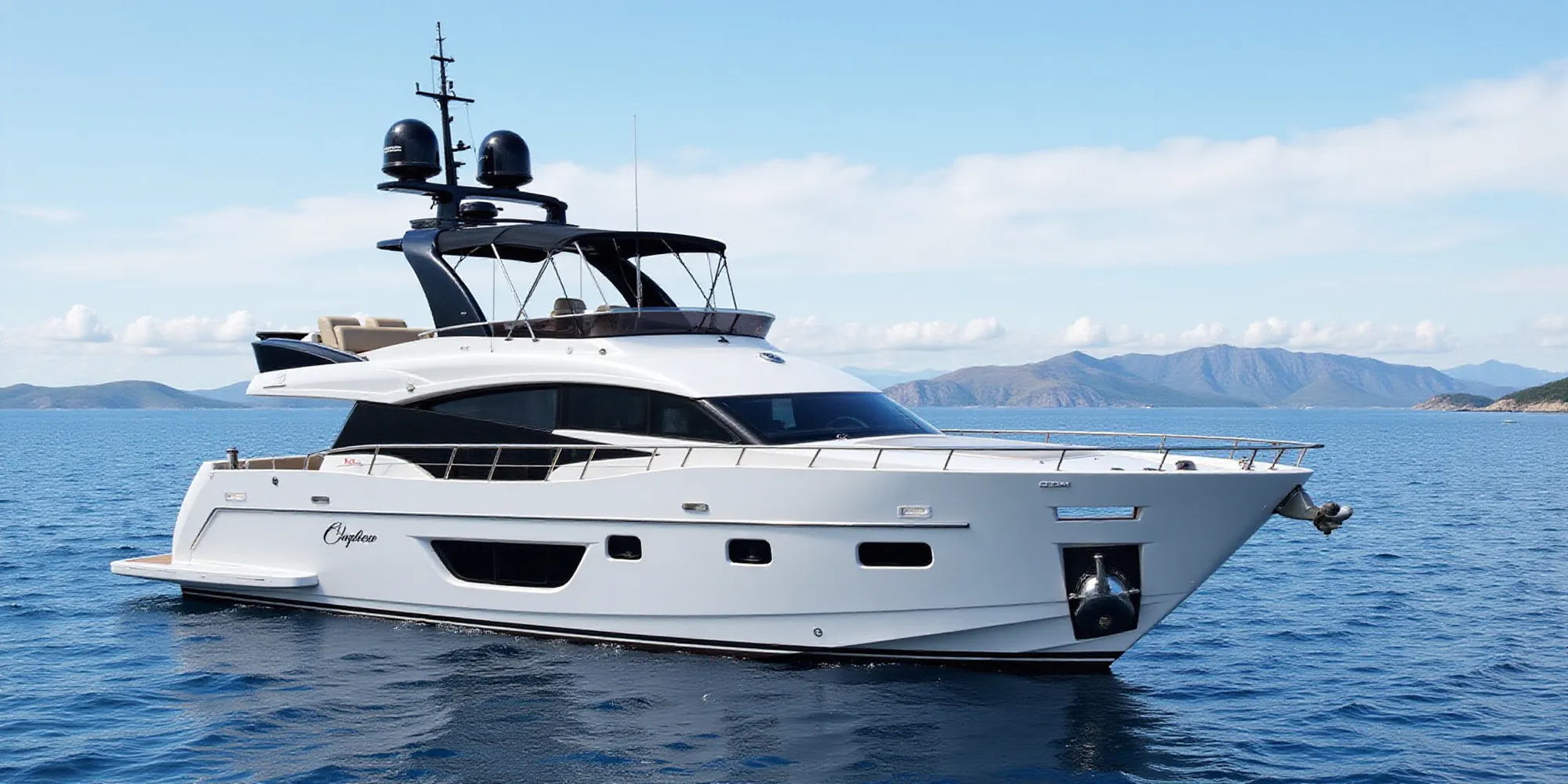
Our Yacht
We often think of yachts as floating castles, but owning one is more of a marathon than a sprint. Ever wondered how that dream turns into everyday reality? Let’s break it down—financial, legal, and crew‑wise—so the allure feels grounded, not just a fairytale.
Overview of Yacht Ownership
First, the numbers. An entry‑level motor yacht can cost $50 k–$150 k, while a 70‑ft luxury model may jump to $8 M. Operating costs hover around 10–20 % of purchase value each year—think maintenance, insurance, dockage, and taxes. Here’s a quick snapshot:
| Category | % of Purchase | Notes |
|---|---|---|
| Maintenance | 10–20 % | Hull cleaning, engine service |
| Insurance | 1–5 % | Premium varies by flag and age |
| Dockage | 5–8 % | Depends on marina and season |
| Crew | 5–10 % | Salaries, benefits, certifications |
| Taxes | 0.5–2 % | Excise, registration fees |
Legal hoops? Pick a flag state like Panama or the British Virgin Islands to reduce taxes and regulations. Register with the National Vessel Documentation Center and keep up with IMO safety and environmental rules.
Crew Careers
A yacht crew is a well‑orchestrated symphony. Here’s a quick map of roles:
- Captain – navigation, safety, crew management. Requires USCG Master or STCW Master.
- Chief Engineer – engine upkeep, systems checks. Needs USCG Engineer or STCW.
- First Mate – deck operations, watchkeeping. STCW Watchkeeping mandatory.
- Deckhand – lines, mooring, safety gear. STCW Deckhand.
- Chef – menu planning, inventory. STCW Culinary optional.
- Stewardess – guest service, housekeeping. STCW Stewardess.
Career ladders flow: Deckhand → First Mate → Captain; Engineer trainee → Chief Engineer; Steward → Chef → Executive Chef.
Entering the Industry
Training schools like International Marine School (UK) or Yacht School (Miami) offer STCW courses. Networking groups such as IYBA and CYBA host events and provide market data. Job boards—YMS, IYBA portal—list openings; internships on charter yachts give real‑world experience.
FAQs
How much does it cost to own a yacht? Purchase ranges $50 k–$200 M; annual costs average 10–20 % of value.
What’s a daily routine? Safety checks, navigation, crew briefings, guest service—structured watch schedules keep it orderly.
Do I need a license to own? No, but registration and tax compliance are mandatory.
Can I charter for extra income? Yes, with proper licensing, insurance, and charter regulations.
Hidden costs? Unexpected repairs, crew turnover, seasonal surcharges—budget an extra 5–10 %.
Ready to Set Sail?
Download our free Yacht Career Starter Guide for step‑by‑step career paths, or book a complimentary consultation with a top yacht management firm to explore ownership options. Let’s turn that dream into a smooth voyage.
Our Yacht: The Financial Blueprint – From Purchase to Maintenance
Think owning a yacht is all champagne and sunsets? Think again.
Purchase Price Ranges
We’ve seen everything from a modest $50 k motor yacht to a $8 M 70‑ft super‑yacht. The market is wide, and the price tag tells a story of size, brand, and tech.
Operating Costs
Owning a yacht feels a bit like tending a luxury garden—every part needs its own care. A typical rule of thumb: 10–20 % of purchase value per year. Here’s what that breaks down into:
| Category | % of Purchase | Notes |
|---|---|---|
| Maintenance & Repairs | 10 % (80–150 hrs/year) | Hull cleaning, engine service, electronics upgrades |
| Insurance | 1–5 % (avg. 1.5 %) | Depends on age, length, usage |
| Crew & Management | 5–10 % | Salaries, benefits, optional professional management |
| Dockage & Fuel | 5–8 % | Varies by marina, season, fuel price |
| Taxes & Registration | 0.5–2 % | Excise, registration, compliance |
Ever wonder why some owners claim a yacht costs more than the purchase price? Hidden costs like seasonal dockage surcharges, unexpected repairs, and regulatory changes can add another 5–10 % of purchase value.
Legal & Compliance
Owning a yacht isn’t just a financial decision; it’s a legal one too. Choosing a flag state—Panama, British Virgin Islands, or a home country—can reduce taxes and insurance. We rely on official docs from the National Vessel Documentation Center for ownership certificates. Compliance with IMO regulations, local maritime laws, and environmental standards is non‑negotiable. Think of it as a passport that lets you sail worldwide.
A Real‑World Snapshot
Last year, a client bought a 55‑ft yacht for $1.2 M. Their annual operating budget was $140 k, split roughly as:
- Maintenance: $120 k
- Insurance: $18 k
- Crew & management: $12 k
- Dockage & fuel: $10 k
- Taxes & registration: $6 k
The numbers match the 10–20 % rule—no surprise, just data.
We’ve also seen owners charter part of the year, turning the yacht into an income source. That requires extra licensing, insurance, and charter‑specific compliance, but it can offset operating costs.
Bottom Line
Understanding the full cost spectrum—from purchase to annual upkeep—lets us plan smarter, not just dream bigger.
Frequently Asked Questions
Q: How much does it cost to own a yacht?
A: The annual operating cost typically ranges from 10 % to 20 % of the purchase price, covering maintenance, insurance, crew, dockage, fuel, and taxes.
Q: What is a yachtie’s daily routine?
A: A typical day involves monitoring the vessel’s systems, coordinating crew duties, managing schedules, handling maintenance tasks, and ensuring compliance with regulations.
Ready to dive deeper? Download our free career guide or schedule a consultation with a yacht management firm.
Our Yacht: From Deckhand to Captain
A yacht looks like a shining oasis, yet it’s the crew that turns that dream into reality. Each position is a step up the expertise ladder. Curious how the climb looks? We’ll map the route, the certifications you’ll need, the pay scales, and the real‑world moves that take a rookie into a seasoned skipper. And trust us, the journey is as thrilling as the voyage itself.
Deckhand to Captain Ladder
Deckhand
- Core duties: line handling, maintenance, safety drills.
- Certs: STCW Deckhand, basic first aid.
- Salary: $25k–$35k/year.
- Path: Senior deckhand → First mate.
First Mate
- Core duties: watchkeeping, navigation support, crew supervision.
- Certs: STCW Watchkeeping, USCG Watchkeeping.
- Salary: $45k–$60k/year.
- Path: First mate → Captain.
Chief Engineer
- Core duties: engine upkeep, systems troubleshooting, safety inspections.
- Certs: STCW Engineer, USCG Engineer.
- Salary: $70k–$100k/year.
- Path: Second engineer → Chief engineer.
Captain (Master)
- Core duties: vessel navigation, legal compliance, crew leadership.
- Certs: STCW Master, USCG Master License.
- Salary: $80k–$120k/year.
- Path: First mate or chief engineer → Captain.
Culinary & Steward Roles
- Chef/Cook: menu design, inventory, guest service.
- Certs: optional STCW Culinary.
- Salary: $30k–$50k.
- Stewardess/Steward: housekeeping, catering.
- Certs: STCW Stewardess.
- Salary: $28k–$45k.
Training & Authority
- Institutions: International Marine School (UK), Yacht School (USA), Maritime Academy of Norway, Maritime Institute of Canada.
- Why they matter: Accredited STCW courses, industry‑endorsed curricula, alumni networks.
Real‑world Example
We once mentored a deckhand who, after 3 years of hands‑on learning and a focused STCW refresher, earned a First‑Mate license and now commands a 50‑ft motor yacht. His salary jumped from $28k to $55k, proving the ladder works.
Ready to climb? Identify the role that calls to you, secure the right certs, and let the crew ladder carry you to the helm.
Next Steps
- Enroll in an STCW‑approved program.
- Seek mentorship from seasoned crew.
- Track your progress on a simple spreadsheet.
FAQ
- Can a deckhand become a captain? Absolutely—experience, certifications, and a strong network are key.
- What about salary growth? Expect a 20–30% increase with each promotion.
- Any hidden costs? Certification fees and travel for training can add up.
Call to Action
- Download our free “Yacht Career Starter Guide.”
- Schedule a chat with a yacht management firm to tailor your path.
References
- International Marine School, Yacht School, Maritime Academy of Norway, Maritime Institute of Canada.
- STCW and USCG certification guidelines.
- Salary surveys from YMS and industry reports.
Charting Your Course: Training, Networking, and Job Hunting in Yachting – Our Yacht
Ever wondered what it takes to turn a yacht dream into a career? We’ve mapped the path from classroom to deck. The journey starts with training, then networking, and finally landing that coveted job. Think of it as a sea‑level ladder that rises with each certification. Ready to set sail?
Training Schools and Certifications
Our research points to five institutions that consistently produce industry leaders.
| School | Location | Key Programs |
|---|---|---|
| International Marine School | UK | STCW, Advanced Navigation |
| Yacht School | Miami | Deck & Engineering Courses |
| Maritime Academy of Norway | Oslo | Marine Engineering, Navigation |
| Maritime Institute of Canada | Vancouver | STCW, Marine Safety |
| Fraser Yachts Academy | Miami | Certified Captain, Mastery |
Each program blends theory with hands‑on deck time, ensuring you’re ready for the first watch.
Networking Associations
Connections matter more than credentials on a yacht. Three associations stand out.
- IYBA – market data and events.
- CYBA – charter market insights.
- GYA – regional networking, regulatory updates.
Attend their conferences, join online forums, and ask for mentorship.
Job Hunting Strategies
Landing a crew role isn’t luck; it’s a targeted approach.
- Start with an updated resume that highlights certifications.
- Apply through specialized portals like YMS and IYBA.
- Seek internships on charter yachts for real‑world exposure.
- Leverage alumni networks from your school.
- Showcase a portfolio of safety drills or navigation logs.
Persistence beats talent when the crew list is full.
With training, networking, and a solid plan, your next role could be just a call away in yachting life.
Ready to take the next step? Download our free career guide or schedule a consultation with a yacht management firm today.
Our Yacht: Your Burning Questions Answered—Costs, Daily Life, and More
Everyone’s got that dream of sailing on a yacht, but the truth can feel like a maze of numbers and paperwork. Think of it as a long‑term investment, not a one‑night party. Below we lay out the hard facts—costs, daily life, licensing, chartering, and hidden fees—so you can chart your own course.
Frequently Asked Questions
How much does it cost to own a yacht?
Purchase prices start at $50 k for a small motor yacht and climb to $8 M for a 70‑ft super‑yacht. Operating costs average 10–20 % of the purchase price yearly, covering maintenance, insurance, dockage, and taxes. These yacht ownership costs can vary widely depending on size, usage, and location.
What is a yachtie’s daily routine?
A typical day begins with a safety check, then navigation planning and crew briefing. Afterward, we manage engine health, serve guests, and monitor weather. Each role follows a structured watch schedule—no surprises. For those looking into yacht crew jobs, this routine showcases the responsibilities and teamwork required.
Do I need a license to own a yacht?
No license is required for ownership, but registration and tax compliance are mandatory. Owners usually hire a licensed captain or manager to steer the legal waters.
Can I charter my yacht for extra income?
Yes—chartering boosts cash flow but demands proper licensing, insurance, and adherence to charter regulations. Many owners partner with charter firms or platforms like RightBoat.
What are the biggest hidden costs?
Unexpected repairs, crew turnover, seasonal dockage surcharges, and regulatory changes can add 5–10 % of the purchase price. Budget for these contingencies.
Next Steps
Ready to dive deeper? In the next section we’ll explore how to turn these numbers into a realistic budget and discuss crew career paths that complement yacht ownership. Stay tuned.
Download our free career guide or schedule a consultation with a professional yacht management firm to start your journey toward owning and operating a yacht.
We’ve charted the high‑stakes world of yacht ownership and crew careers, but where do we find the truth? The answer is in the voices you can trust: management firms, industry associations, training academies, and market data portals. These are the compass that keeps your ship steady in turbulent waters.
Management Firms
We’ve teamed up with Fraser Yachts and Pacific Yacht Management to get a seat in the cockpit. They handle crew placement, maintenance contracts, and charter consulting. Dive into their client case studies to benchmark operating costs and crew turnover rates.
Industry Associations
The International Yacht Brokers Association (IYBA) drops quarterly market reports that lay out price trends and buyer sentiment. Charter Yacht Brokers Association (CYBA) throws networking events where you can rub shoulders with seasoned captains and charter operators. Their webinars are a good way to stay ahead of regulatory shifts.
Training Academies
The International Marine School and Yacht School in Miami run STCW‑certified courses that set the gold standard for deck and engineering roles. We’ve watched crew members jump from apprentice to first mate in just 18 months after completing an accelerated program. Tap into these academies for hands‑on experience and alumni networks.
Market Data Portals
RightBoat and YATCO offer real‑time pricing, resale values, and insurance calculators. Cross‑referencing their data with brokerage reports gives you a 360‑degree view of a yacht’s true value. Use the calculators to build a realistic budget before signing a purchase agreement.
How to Leverage These Sources
- Research: Pull market reports to gauge price elasticity.
- Network: Attend association events; a handshake can cost less than a yacht’s dockage.
- Validate: Compare maintenance cost estimates from management firms against your own calculations.
- Certify: Enroll in academy courses that match the certifications your target firm demands.
Ready to dive deeper? The next section will walk you through crafting a data‑driven business plan that turns research into revenue.
We’ve charted the waters of yacht ownership and crew careers, but the real voyage begins when you decide to act.
Ready to download our free Career Starter Guide or book a consultation with a top‑tier yacht management firm? Think of it as your personal compass—pointing straight toward the horizon of opportunity.
Why trust us?
- Our experience and expertise in the industry.
- Proven track record in crew placement and maintenance excellence.
What’s in the guide?
- Step‑by‑step career map from deckhand to captain.
- Real‑world case studies of crew who climbed the ladder in 18 months.
- Cost calculators that turn numbers into clear decisions.
Take the helm now: click the button below to download the guide or schedule a free consultation.
Your future on the water starts with a single click—don’t let it drift away.
Let’s set sail together—download the guide or book your seat today, and let the waves carry you to new horizons.
Whether you’re dreaming of a quick escape or a longer journey.
Your perfect yacht is ready to set sail.