Yacht vs Cruise: Ownership Costs, Freedom & Luxury
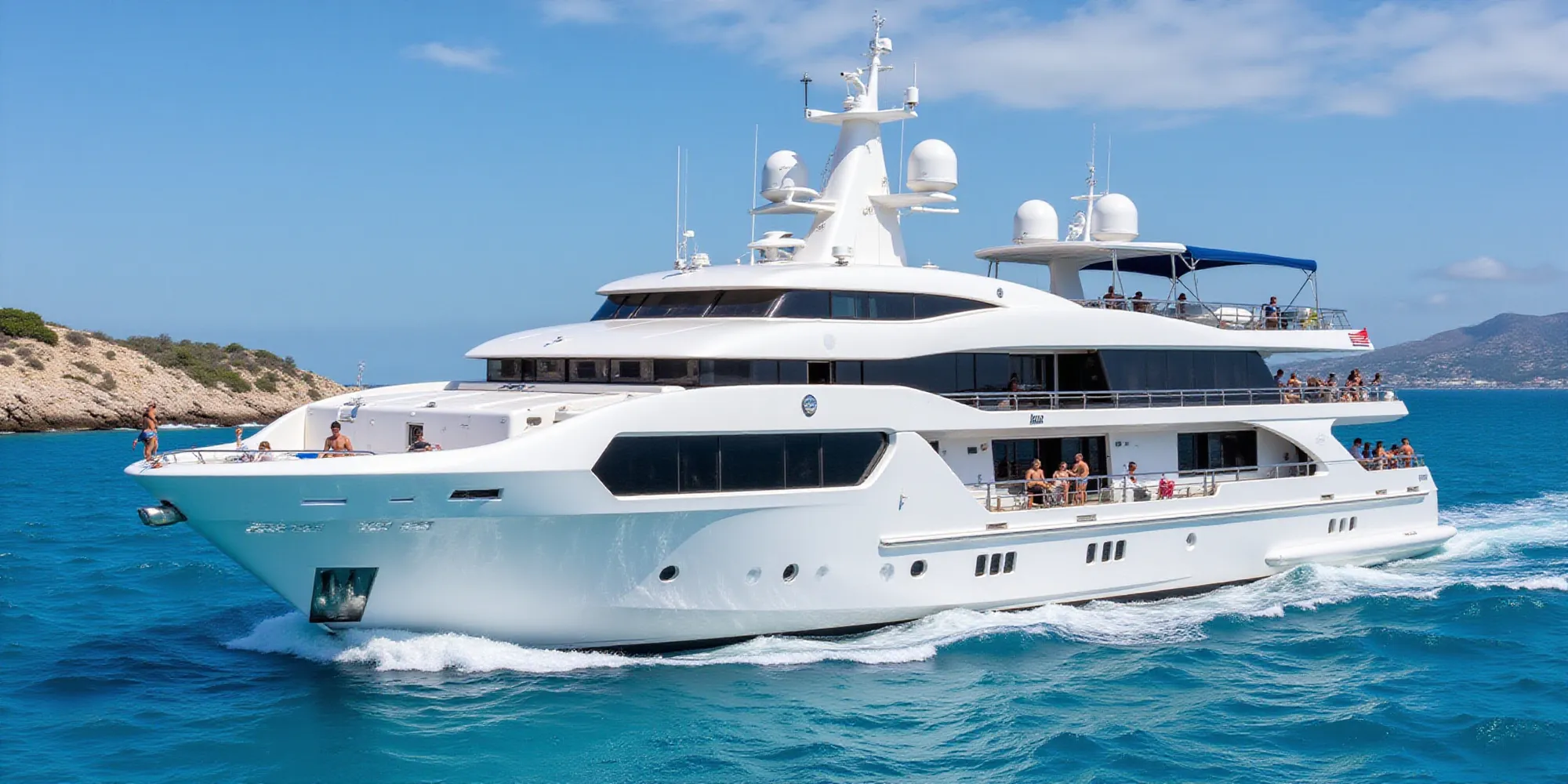
What truly sets apart the difference between yacht and cruise is the freedom of a private yacht versus the structured luxury of a cruise.
Picture a yacht as a personal canvas and a cruise as a grand theater.
Do you crave spontaneous adventures or curated itineraries?
When you own a yacht, you design every cabin, choose your crew, and chart your own course.
In contrast, a cruise ship offers pre‑planned itineraries, on‑board entertainment, and a crew that serves everyone.
The private yacht feels like a home on water, while the cruise feels like a floating resort.
We can compare the two with a quick side‑by‑side snapshot.
| Aspect | Yacht | Cruise |
|---|---|---|
| Customization | Full control over layout and décor | Standardized cabins, limited personalization |
| Privacy | Exclusive to owner and guests | Shared with hundreds of passengers |
| Cost | High purchase and upkeep | Low ticket price, no recurring fees |
| Spontaneity | Sail on short notice | Fixed schedule months ahead |
These differences shape the lifestyle, the crew dynamics, and the financial realities we’ll explore next.
Ready to dive into the numbers and crew stories? Download our free career guide now, or schedule a consultation with a yacht management firm to start your journey.
Difference Between Yacht and Cruise – Ownership Costs, Commitments, and Legalities
Ever wondered what it really costs to own a yacht versus just hopping on a cruise? We’ve crunched the numbers and the answer is like a tide: it rises, falls, and can surprise you. The price tag starts at a few million dollars, and that’s just the tip of the iceberg. But the real wave comes with the ongoing expenses. Let’s dive into the details.
First, break down the purchase price. A 40‑meter superyacht can cost $5‑$15 million, while a 60‑meter beast tops $30 million. Then, factor in annual operating costs that hover around 15–20% of that purchase price—fuel, crew, dock fees, and routine maintenance. Think of it as a yearly subscription that keeps the yacht sailing smoothly.
| Component | Typical Cost (USD) | Notes |
|---|---|---|
| Purchase price | $5–$30 million | Depends on size, brand, age |
| Annual operating | 15–20 % of purchase | Fuel, crew, dock fees |
| Maintenance & surveys | 5–10 % of purchase | Hull, engine, repairs |
| Insurance | 5–10 % of value | Hull, liability, crew |
| Management fees | 5–10 % of operating | Professional firms |
Maintenance is another tide that pulls. Roughly 5–10% of the purchase price each year goes to hull inspections, engine overhauls, and surprise repairs. A 10‑million yacht might spend $500,000–$1 million on upkeep alone.
Insurance is like a safety net, covering hull, liability, and crew. Premiums run 5–10% of the vessel’s value yearly. Professional management firms can shave stress and sometimes cut costs by negotiating better rates.
Legalities are a maze. Choosing a flag state—Panama, BVI, or Malta—can reduce taxes and simplify paperwork. Crew contracts must meet STCW standards, and owners often shield personal assets with a limited liability company. A common pitfall is ignoring local maritime regulations, which can lead to hefty fines.
For instance, a 50‑meter yacht owner in Dubai underestimated crew licensing costs and faced a $200,000 penalty. Proper planning and consulting with a maritime lawyer saved the day.
Now that we’ve charted the financial and legal currents, we’re ready to explore the crew that keeps the ship afloat. Stay tuned for the next section, where we’ll map out the roles and responsibilities aboard.
Ready to start your yachting journey? Download our free career guide or schedule a consultation with a trusted yacht management partner today.
Ever wondered what it’s like to live on a floating palace? If you’re curious about the difference between a yacht and a cruise, this guide walks you through the crew that keeps a yacht sailing smoothly. From the captain to the deckhand, every role is a vital stitch in the ship’s tapestry. Picture the crew as a well‑tuned orchestra, each musician playing a different part. Ready to hear the music?
| Role | Primary Duties | Typical Salary (USD) |
|---|---|---|
| Captain | Navigate, enforce safety, lead crew | 80,000–120,000+ |
| First Officer | Assist captain, oversee safety equipment | 60,000–90,000 |
| Chef | Design menus, manage galley | 50,000–70,000 |
| Steward | Guest service, cabin upkeep | 35,000–50,000 |
| Deckhand | Deck maintenance, safety drills | 30,000–45,000 |
What certifications keep these roles afloat? Every crew member must hold a STCW Basic Safety Training card. Captains and first officers pursue Advanced Deck Officer courses. Chefs often earn a Chef’s Diploma or similar culinary credential. Marine engineers add a Marine Engineer license. These badges prove competence and compliance.
How does a career climb?
1. Start as a deckhand, steward, or junior chef.
2. Gain sea time and certifications.
3. Move to first officer, chef de cuisine, or chief engineer.
4. Finally, captain, yacht manager, or owner.
This ladder mirrors a ship’s hierarchy, rising from the deck to the helm.
“Working as a deckhand taught me teamwork under pressure,” says Marco, a former deckhand now a first officer. “The crew is family; we trust each other like a well‑drilled crew on a storm.”
These positions, commonly referred to as yacht crew jobs, define the daily responsibilities of each crew member—yacht crew duties that are essential for smooth operation. Curious about yacht ownership costs and how crew roles fit into the larger yacht ecosystem? Stick around for the next section, where we explore crew scheduling, on‑board life, and the balance between work and luxury.
Download our free career guide to start your yachting career today!
Schedule a consultation with a yacht management firm to learn more.
We’ve mapped the road to yachting glory: start with a solid school, earn crisp certifications, then sail into a network that opens doors like a tide lifting a hidden reef.
Training Schools
International Yacht Training Academy, Royal Yachting Association, and National Maritime School are the three giants shaping every deckhand, chef, and captain.
Each offers a STCW‑compliant curriculum that blends theory with hands‑on drills.
I once met a chef who graduated from IYTA and landed a spot on a 50‑meter superyacht within three months.
Certification Process
The path is clear:
- Basic Safety Training – a 4‑day crash course on lifesaving and safety.
- Advanced Deck Officer – for those eyeing captaincy.
- Specialist Modules – engine room, navigation, or hospitality.
- License Issuance – a formal document that lets you command a vessel.
The journey takes 6‑12 months and costs roughly $3,000–$5,000, but the payoff is a passport to a global crew market.
Networking Strategies
- INTYOA Membership – grants access to exclusive events and a directory of top recruiters.
- Superyacht Awards – a gala where industry leaders mingle; a perfect place to drop a business card.
- LinkedIn Yachting Groups – stay current on job openings and share your portfolio.
Step‑by‑Step Roadmap
- Enroll in a recognized school.
- Complete certifications and build a résumé.
- Apply to entry‑level roles: deckhand, steward, or junior chef.
- Leverage INTYOA and LinkedIn to secure interviews.
- Once hired, pursue advanced roles and eventually captaincy.
Success story: Maria, a stewardess from the National Maritime School, used INTYOA’s mentorship program to climb from junior to chief steward in 18 months, earning a 25% salary bump.
Actionable Tips
- Showcase your certifications in a clean portfolio; a PDF with scanned diplomas and a short bio works wonders.
- Attend at least two industry events per year; the Superyacht Awards are a goldmine.
- Network online daily—comment on posts, share industry news, and connect with hiring managers.
The yachting world rewards those who blend education, certification, and networking like a perfect storm. Keep your sails ready, and the next port will be yours.
Download our free career guide now, or schedule a consultation with a yacht management firm to discuss your next steps.
Difference Between Yacht and Cruise: A Lifestyle and Career Overview
This guide naturally weaves the keyword difference between yacht and cruise into every section, exploring the financial, operational, and lifestyle contrasts between owning a yacht and sailing on a cruise ship.
1. Overview of Yacht Ownership
Owning a yacht means taking on hefty financial commitments—purchase price, ongoing maintenance, insurance, and docking fees. Owners also shoulder legal duties like registration, environmental regulations, and safety inspections. A cruise passenger, on the other hand, pays a single ticket that covers accommodation, meals, and onboard entertainment, leaving all ownership responsibilities behind.
2. Crew Positions and Duties
| Position | Typical Duties | Required Certifications |
|---|---|---|
| Captain | Navigation, vessel safety, crew management | STCW Master, vessel‑specific rating |
| First Mate | Deck operations, safety drills | STCW Officer |
| Chef | Menu planning, galley operations | Culinary diploma, HACCP |
| Steward/Stewardess | Guest services, cabin maintenance | Hospitality training |
| Engineer | Engine maintenance, systems troubleshooting | STCW Engineering rating |
These roles are essential for a yacht’s operation and differ from the more standardized crew on a cruise ship, where duties are often split into larger departments and staff may have broader responsibilities.
3. Entering the Yachting Industry
- Training Schools – Programs such as the Royal Yachting Association (RYA) and the International Yacht Training (IYT) offer courses from basic seamanship to advanced marine engineering.
- Certifications – Key qualifications include the STCW Basic Safety Training, Yachtmaster, and specific vessel ratings.
- Networking – Joining professional groups, attending maritime conferences, and volunteering on charter yachts can build experience and contacts.
- Career Paths – From deckhand to captain, progression typically follows a ladder of certifications, sea‑time experience, and leadership roles.
4. Frequently Asked Questions
Q: How much does it cost to own a yacht?
A: The initial purchase can range from $200,000 for a small motorboat to over $50 million for a superyacht. Annual operating costs—fuel, crew salaries, maintenance, and mooring—can be 10–20 % of the purchase price.
Q: What is a typical daily routine for a yacht crew member?
A: The routine varies by role but generally includes morning safety checks, guest service duties, galley prep, and evening debriefs. Crew members often work 12‑hour shifts with rotating days off.
Q: Can I work on a cruise ship instead of a yacht?
A: Yes, many maritime professionals start on cruise ships to gain experience before moving to private yachts. Cruise crews benefit from structured training and larger teams.
5. Call to Action
Ready to start your yachting career or explore yacht ownership? Download our free career guide or schedule a consultation with a trusted yacht management firm today to learn how you can navigate the waters of opportunity.
Difference between yacht and cruise: Costs, Routines, and Legal Risks
Ever wonder if a yacht feels like a floating mansion or a floating budget? We’ll answer the most asked questions with data, real‑world examples, and clear next steps.
1. What are the purchase and operating costs?
We break the numbers into three buckets: purchase, annual operating, and maintenance.
| Item | Typical Cost (USD) | Notes |
|---|---|---|
| Purchase | $3 M–$30 M+ | Size, brand, age |
| Annual operating | 15–20 % of purchase | Fuel, crew, dock, insurance |
| Maintenance | 5–10 % of purchase | Routine surveys, repairs |
The 10 % rule suggests budgeting $1 M per year for a $10 M yacht. Compare that to a $2 K cruise ticket—no recurring fees.
2. What does a typical day on a yacht look like?
The captain charts the route, the deckhand keeps the hull spotless, the chef whips up gourmet meals, and guests relax on the deck. We call it a smooth ballet—each role moves in sync.
3. Can I charter my yacht to offset costs?
Yes. Owners often charter between private use periods. A 30‑day charter can bring in $150 k–$300 k, reducing net operating costs. We’ve seen owners break even within three years of chartering.
4. What legal risks should I be aware of?
Liability for accidents, crew employment disputes, and flag‑state compliance are top concerns. Using a corporate structure like an LLC shields personal assets. We recommend consulting a maritime lawyer before signing any charter contract.
5. How do I become a yacht captain?
First, earn STCW Basic Safety Training. Next, accumulate 3–5 years of sea time on a commercial vessel. Finally, obtain an Advanced Deck Officer certificate and a captain’s license from a recognized authority. Many captains start as first officers before taking the helm.
Feel ready to dive deeper? Our next section covers how to choose the right charter company and negotiate contracts.
Download our free career guide or schedule a consultation with a yacht management firm to take the next step in your yachting journey.
We’ve spent months mapping the yachting world, and now we hand you the map.
Think of the guide as a compass that points straight to the next port—turn those charts into a career or ownership plan. Ready to set sail?
Our free Career Guide breaks down every step, from schooling to first deckhand gigs, and includes real‑world success stories. Want the exact playbook? It’s just a click away.
Download the guide now and unlock the next step in your yachting journey.
Or, if you prefer a hands‑on approach, schedule a one‑hour consultation with one of our seasoned yacht managers. They’ll audit your profile, suggest tailored actions, and help you secure your first role faster. Your adventure starts with a single click—why wait?
Why a one‑hour consult beats a generic guide?
- We identify gaps in your resume that hiring managers spot instantly.
- We connect you to recruiters who are actively hiring for your role.
- We practice interview questions so you feel confident.
- We provide real‑time feedback on your portfolio.
- We give you a clear action plan with milestones.
Book now, and let the experts steer your career.
Take the helm today: download the guide, claim your free consult, and start charting your course. Remember, the sea rewards those who act, not those who wait. Your next port is just a click away. Sail on!
Whether you’re dreaming of a quick escape or a longer journey.
Your perfect yacht is ready to set sail.